Leadership
Leadership is a living system
My model of leadership looks more like a healthy ecosystem than a hierarchy. Distributed, interdependent, self-sustaining. I lead as a player and a coach, doing the work alongside the people I develop, not above them.
Lateral Influence
Living Systems
Lateral Influence
Living Systems
Operating Philosophy
The beliefs I lead from, not toward.
Six tenets I lead through. A field guide for the behaviors I hold myself accountable to, in every room, at every level.

Practice is product.
I build into the people and systems around me. When I leave, the practice I've seeded should keep producing: perennial growth rather than an annual harvest.

Lateral influence.
Real organizational leverage moves sideways. I've spent 16 years building trust across teams with no obligation to give it to me. That's where the work actually happens.

See. Name. Change.
Designers are trained to see what's broken. The best ones turn that lens on the organization itself. That's the instinct I've spent my career developing.

Frame the narrative.
Every meeting, every review has a story. I show up with intention about what story is being told and help my team do the same.

Grow people further.
My measure of leadership isn't whether people follow me. It's whether they outgrow the need to. I consider their growth part of my deliverables.

Equanimity is leverage.
Chaos is information. I cultivate groundedness the way a forest canopy regulates temperature: steadiness as infrastructure, not performance.
Practice is product.
I build into the people and systems around me. When I leave, the practice I've seeded should keep producing: perennial growth rather than an annual harvest.
Lateral influence.
Real organizational leverage moves sideways. I've spent 16 years building trust across teams with no obligation to give it to me. That's where the work actually happens.
See. Name. Change.
Designers are trained to see what's broken. The best ones turn that lens on the organization itself. That's the instinct I've spent my career developing.
Frame the narrative.
Every meeting, every review has a story. I show up with intention about what story is being told and help my team do the same.
Grow people further.
My measure of leadership isn't whether people follow me. It's whether they outgrow the need to. I consider their growth part of my deliverables.
Equanimity is leverage.
Chaos is information. I don't perform calm. I've cultivated it. Holding steady in high-stakes moments is the rarest thing a leader can offer.
Leading Without Authority
The title was never the credential.
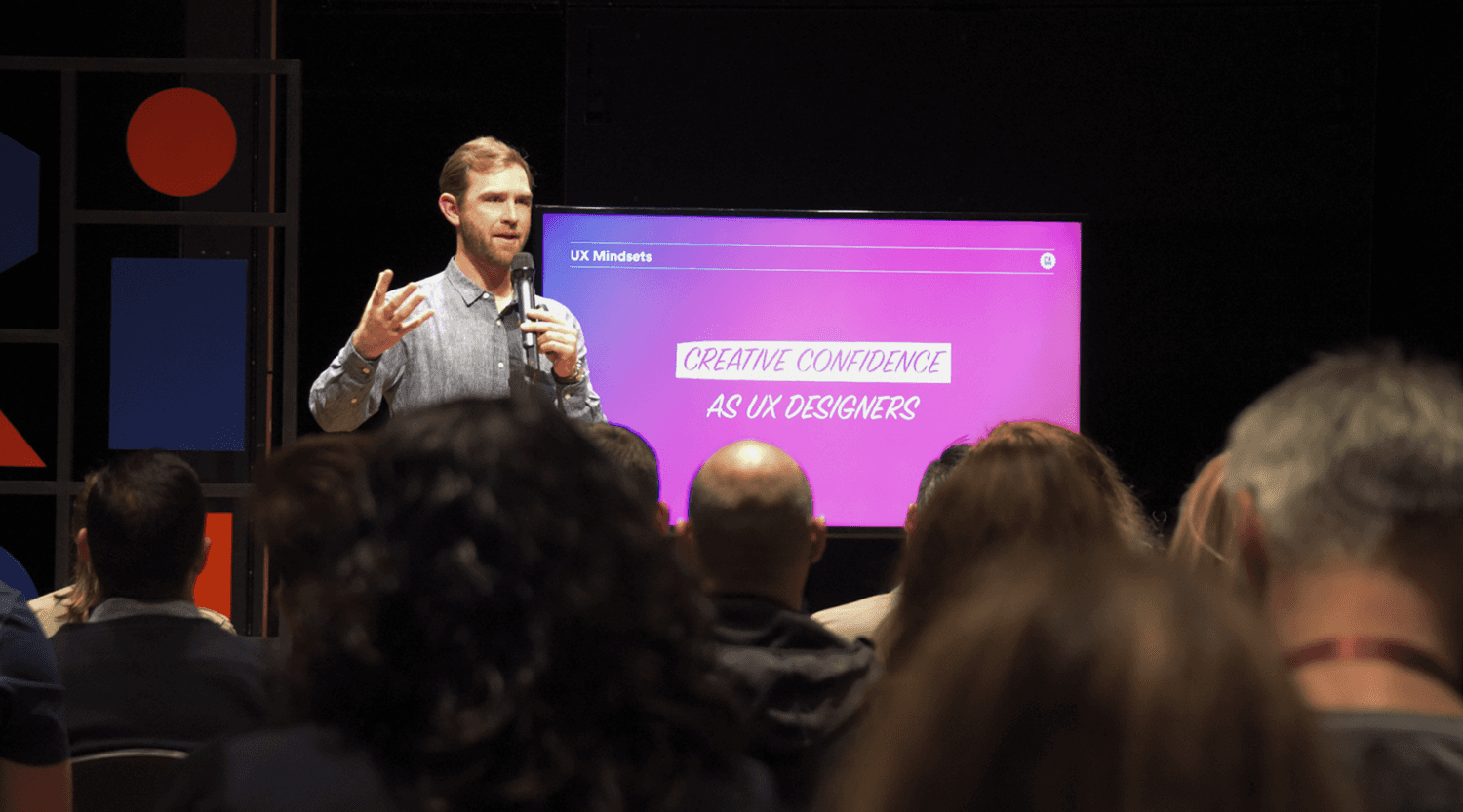
For most of my career, my real influence has operated outside my formal reporting lines. I've built alignment between teams that had every reason not to collaborate. I've created design culture in organizations that didn't think they needed one. I've changed the shape of decisions by changing the frame through which they were being made.
This isn't about being clever or strategic for its own sake. It's about genuinely believing that embedding design into an organizations DNA, when it's understood by the whole organization, produces better outcomes for everyone — and being willing to do the quiet, patient, relationship-building work that belief requires.
Leading without authority is a practice of earning legitimacy in every room. It means showing up prepared, asking the right question at the right moment, and trusting that well-timed clarity is more powerful than any title.
The Peer Principle
Build trust with the people who have no obligation to give it to you. That's where real organizational capital lives.
On Ambiguity
When the org chart goes quiet, someone has to own the answer. I've made it a habit to be that person.
On Presence
The designer in the room shapes the room. Not by dominating it, but by asking the question nobody else was willing to ask.
Leading Without Authority
The title was never the credential.
For most of my career, my real influence has operated outside my formal reporting lines. I've built alignment between teams that had every reason not to collaborate. I've created design culture in organizations that didn't think they needed one. I've changed the shape of decisions by changing the frame through which they were being made.
This isn't about being clever or strategic for its own sake. It's about genuinely believing that embedding design into an organizations DNA, when it's understood by the whole organization, produces better outcomes for everyone — and being willing to do the quiet, patient, relationship-building work that belief requires.
Leading without authority is a practice of earning legitimacy in every room. It means showing up prepared, asking the right question at the right moment, and trusting that well-timed clarity is more powerful than any title.
The Peer Principle
Build trust with the people who have no obligation to give it to you. That's where real organizational capital lives.
On Ambiguity
When the org chart goes quiet, someone has to own the answer. I've made it a habit to be that person.
On Presence
The designer in the room shapes the room. Not by dominating it, but by asking the question nobody else was willing to ask.
Leading Without Authority
The title was never the credential.
For most of my career, my real influence has operated outside my formal reporting lines. I've built alignment between teams that had every reason not to collaborate. I've created design culture in organizations that didn't think they needed one. I've changed the shape of decisions by changing the frame through which they were being made.
This isn't about being clever or strategic for its own sake. It's about genuinely believing that embedding design into an organizations DNA, when it's understood by the whole organization, produces better outcomes for everyone — and being willing to do the quiet, patient, relationship-building work that belief requires.
Leading without authority is a practice of earning legitimacy in every room. It means showing up prepared, asking the right question at the right moment, and trusting that well-timed clarity is more powerful than any title.
The Peer Principle
Build trust with the people who have no obligation to give it to you. That's where real organizational capital lives.
On Ambiguity
When the org chart goes quiet, someone has to own the answer. I've made it a habit to be that person.
On Presence
The designer in the room shapes the room. Not by dominating it, but by asking the question nobody else was willing to ask.
The Power of Narrative
Design is always telling a story.
Design is always telling a story.
The best design work doesn't just solve problems. It changes how people understand the problem itself. I think of this as narrative architecture: the structural work that happens before a single slide is shown.
The best design work doesn't just solve problems. It changes how people understand the problem itself. I think of this as narrative architecture: the structural work that happens before a single slide is shown.

Framing
Every design presentation is a story that starts before the first slide. I obsess over who's in the room, what they already believe, and what posture I want to create before the work appears. Framing precedes content.

Meaning
People don't decide based on information. They decide based on meaning. I translate design rationale into business, human, and strategic consequence. I've learned to speak the language of every room I'm in.

Shift
The most powerful moment in any presentation is the reframe: when the audience's mental model moves. I design for that moment deliberately. Not manipulation. An invitation to see differently.
The Connector Function
Being a connector is a design act.
For most of my career, my real influence has operated outside my formal reporting lines. I've built alignment between teams that had every reason not to collaborate. I've created design culture in organizations that didn't think they needed one. I've changed the shape of decisions by changing the frame through which they were being made.
This isn't about being clever or strategic for its own sake. It's about genuinely believing that embedding design into an organization's DNA produces better outcomes for everyone, and being willing to do the quiet, patient, relationship-building work that belief requires.
Leading without authority is a practice of earning legitimacy in every room. It means showing up prepared, asking the right question at the right moment, and trusting that well-timed clarity is more powerful than any title.
Cross-functional fluency.
I speak product, engineering, and business fluently enough to translate, not just advocate, for design.
Relationships built for longevity.
I invest in the whole person. Genuine interest in someone's growth builds a different kind of trust than networking.
Positive-sum in zero-sum spaces.
When resources are scarce, the move is building abundance narratives: showing how good design expands the pie.
The Connector Function
Being a connector is a design act.
For most of my career, my real influence has operated outside my formal reporting lines. I've built alignment between teams that had every reason not to collaborate. I've created design culture in organizations that didn't think they needed one. I've changed the shape of decisions by changing the frame through which they were being made.
This isn't about being clever or strategic for its own sake. It's about genuinely believing that embedding design into an organization's DNA produces better outcomes for everyone, and being willing to do the quiet, patient, relationship-building work that belief requires.
Leading without authority is a practice of earning legitimacy in every room. It means showing up prepared, asking the right question at the right moment, and trusting that well-timed clarity is more powerful than any title.
Cross-functional fluency.
I speak product, engineering, and business fluently enough to translate, not just advocate, for design.
Relationships built for longevity.
I invest in the whole person. Genuine interest in someone's growth builds a different kind of trust than networking.
Positive-sum in zero-sum spaces.
When resources are scarce, the move is building abundance narratives: showing how good design expands the pie.
The Connector Function
Being a connector is a design act.
For most of my career, my real influence has operated outside my formal reporting lines. I've built alignment between teams that had every reason not to collaborate. I've created design culture in organizations that didn't think they needed one. I've changed the shape of decisions by changing the frame through which they were being made.
This isn't about being clever or strategic for its own sake. It's about genuinely believing that embedding design into an organization's DNA produces better outcomes for everyone, and being willing to do the quiet, patient, relationship-building work that belief requires.
Leading without authority is a practice of earning legitimacy in every room. It means showing up prepared, asking the right question at the right moment, and trusting that well-timed clarity is more powerful than any title.
Cross-functional fluency.
I speak product, engineering, and business fluently enough to translate, not just advocate, for design.
Relationships built for longevity.
I invest in the whole person. Genuine interest in someone's growth builds a different kind of trust than networking.
Positive-sum in zero-sum spaces.
When resources are scarce, the move is building abundance narratives: showing how good design expands the pie.
Growing People
I'm relentlessly focused on the trajectories of the people I lead.
I lead as a player-coach: in the work with my team, and also watching the system they're growing inside within. These are the kinds of designers and leaders who've grown through our time working together.

They came for design. Left leading.
The most meaningful thing I've built isn't a curriculum or a framework. It's the moment a designer stops waiting for permission and starts shaping the room they're in.

I invest in potential before it's proven.
I don't wait for someone to earn the conditions to lead. I create them before the proof is there. Belief extended early is almost always what people remember longest.

I teach seeing, not just making.
Craft is learnable. Vision takes longer. My goal with every person I work with is to expand the altitude at which they're operating, not just the quality of what they ship.

Growth lives at the edge of comfort.
I don't protect people from hard feedback. I stay close enough to make difficult moments useful, and far enough back to let them find their own footing.

The goal is always independence.
I measure success by how little someone needs me over time. The designers who've grown most are the ones who've long since surpassed what I could teach them.

I remember where everyone started.
Tracking trajectory requires a long memory. I hold a clear picture of where each person began, because that's the only way to honestly name how far they've come.
Growing People
I'm relentlessly focused on the trajectories of the people I lead.
I lead as a player-coach: in the work with my team, and also watching the system they're growing inside within. These are the kinds of designers and leaders who've grown through our time working together.
They came for design. Left leading.
The most meaningful thing I've built isn't a curriculum or a framework. It's the moment a designer stops waiting for permission and starts shaping the room they're in.
I invest in potential before it's proven.
I don't wait for someone to earn the conditions to lead. I create them before the proof is there. Belief extended early is almost always what people remember longest.
I teach seeing, not just making.
Craft is learnable. Vision takes longer. My goal with every person I work with is to expand the altitude at which they're operating, not just the quality of what they ship.
Growth lives at the edge of comfort.
I don't protect people from hard feedback. I stay close enough to make difficult moments useful, and far enough back to let them find their own footing.
The goal is always independence.
I measure success by how little someone needs me over time. The designers who've grown most are the ones who've long since surpassed what I could teach them.
I remember where everyone started.
Tracking trajectory requires a long memory. I hold a clear picture of where each person began, because that's the only way to honestly name how far they've come.
Growing People
I'm relentlessly focused on the trajectories of the people I lead.
I lead as a player-coach: in the work with my team, and also watching the system they're growing inside within. These are the kinds of designers and leaders who've grown through our time working together.
They came for design. Left leading.
The most meaningful thing I've built isn't a curriculum or a framework. It's the moment a designer stops waiting for permission and starts shaping the room they're in.
I invest in potential before it's proven.
I don't wait for someone to earn the conditions to lead. I create them before the proof is there. Belief extended early is almost always what people remember longest.
I teach seeing, not just making.
Craft is learnable. Vision takes longer. My goal with every person I work with is to expand the altitude at which they're operating, not just the quality of what they ship.
Growth lives at the edge of comfort.
I don't protect people from hard feedback. I stay close enough to make difficult moments useful, and far enough back to let them find their own footing.
The goal is always independence.
I measure success by how little someone needs me over time. The designers who've grown most are the ones who've long since surpassed what I could teach them.
I remember where everyone started.
Tracking trajectory requires a long memory. I hold a clear picture of where each person began, because that's the only way to honestly name how far they've come.
I'm always open to meaningful conversations
I’m here for it. Whether you have a question, an idea, or just want to connect, reach out and let’s build a conversation.







I'm always open to meaningful conversations
I’m here for it. Whether you have a question, an idea, or just want to connect, reach out and let’s build a conversation.
I'm always open to meaningful conversations
I’m here for it. Whether you have a question, an idea, or just want to connect, reach out and let’s build a conversation.