Work

My work weaves strategy, storytelling, design, insight, collaboration, and impact.

My work weaves strategy, storytelling, design, insight, collaboration, and impact. These case studies show how I help teams build what matters most through design, mentorship, learning experiences, and outcomes that last.

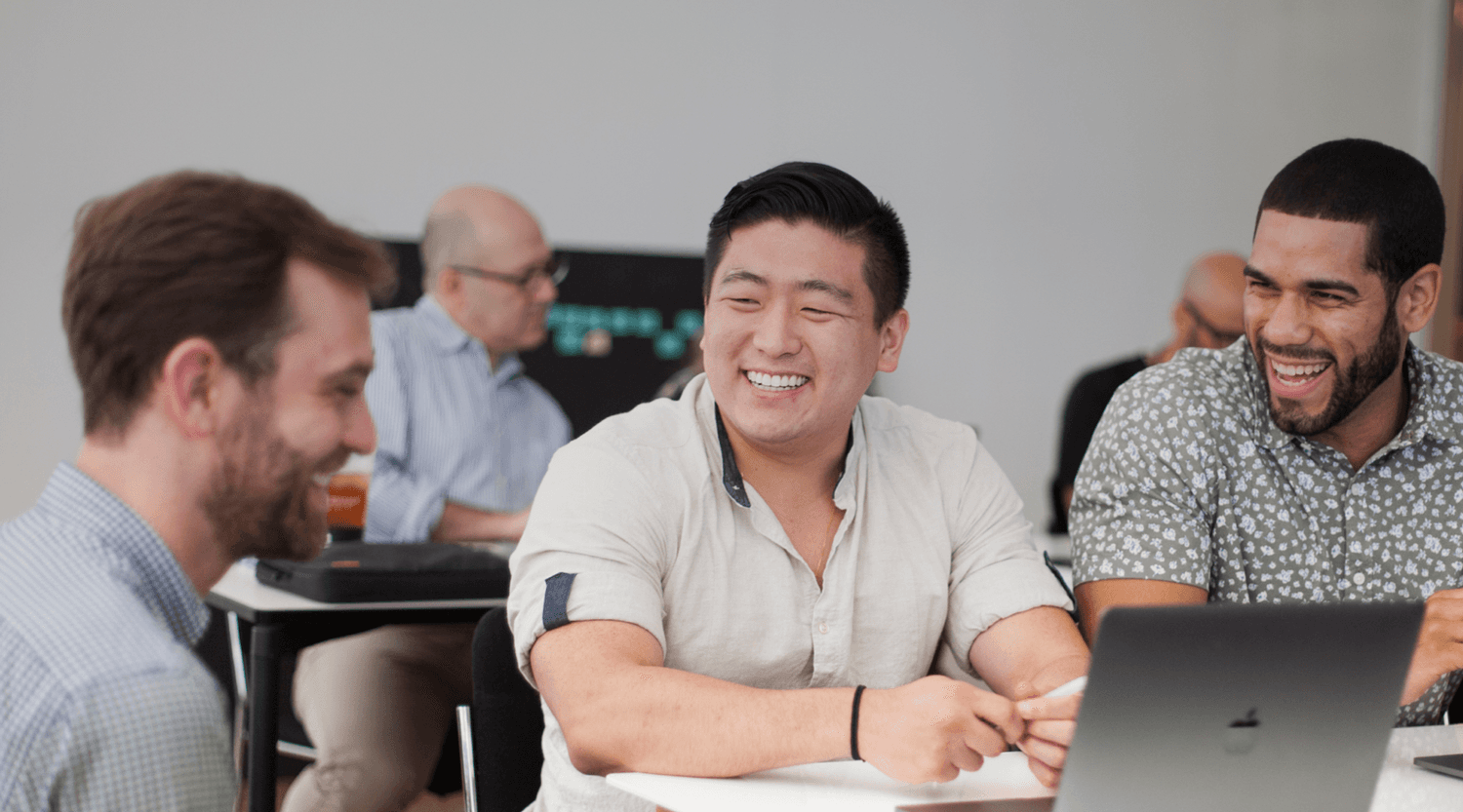
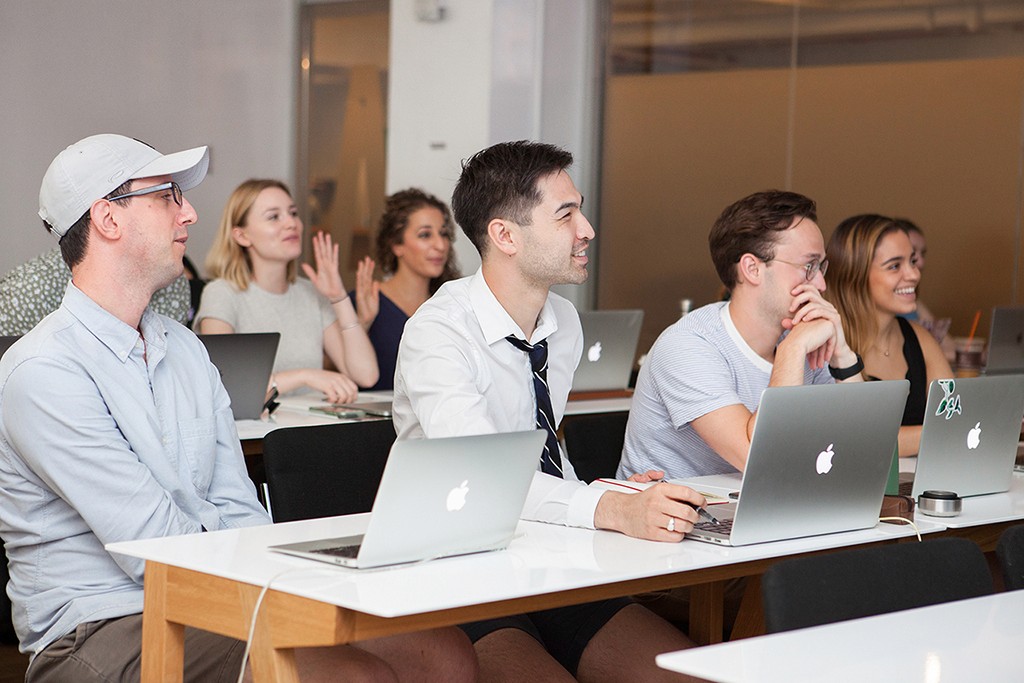
A learner in a design studio, engaged and seated at a laptop during a session.

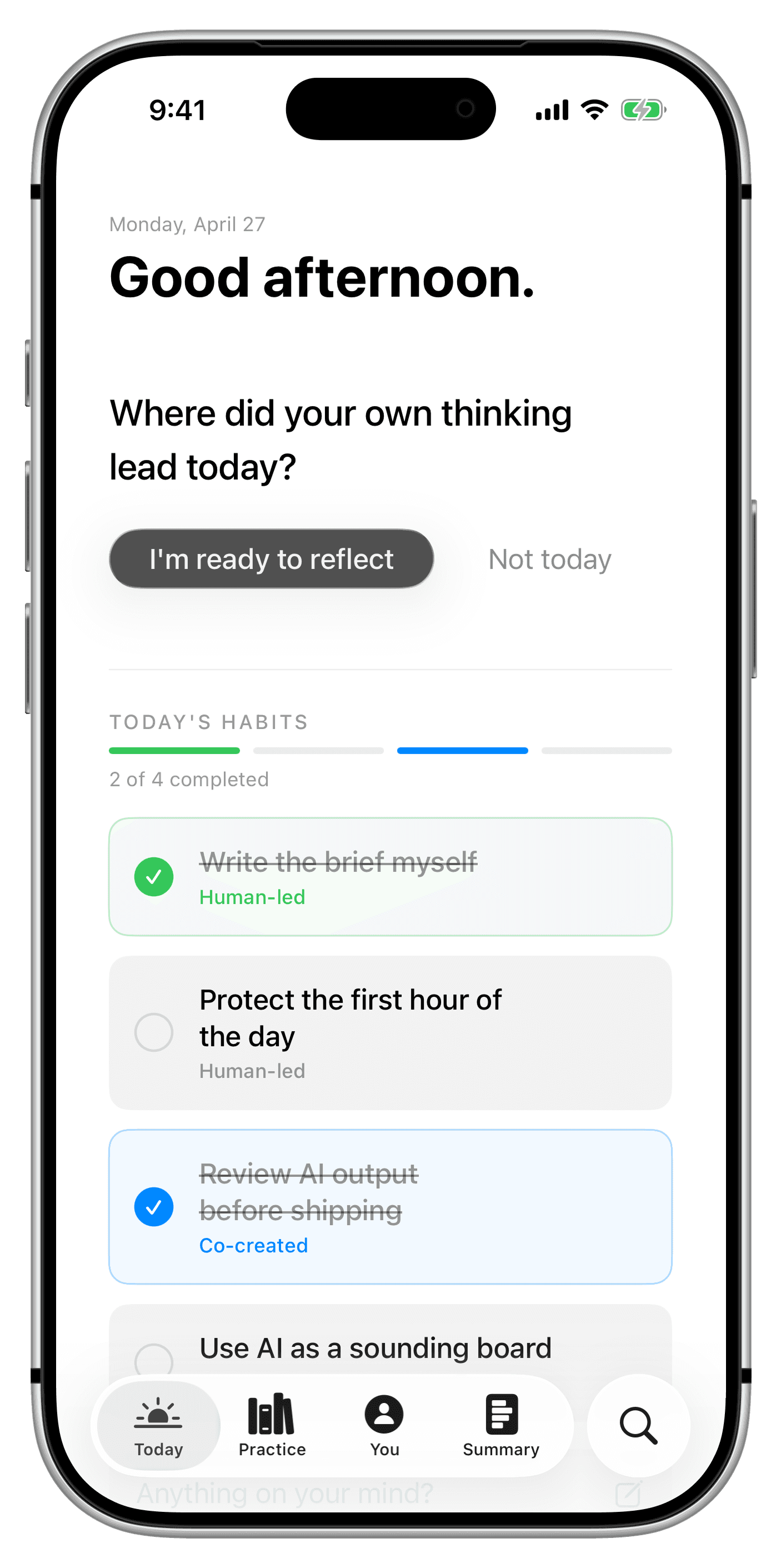
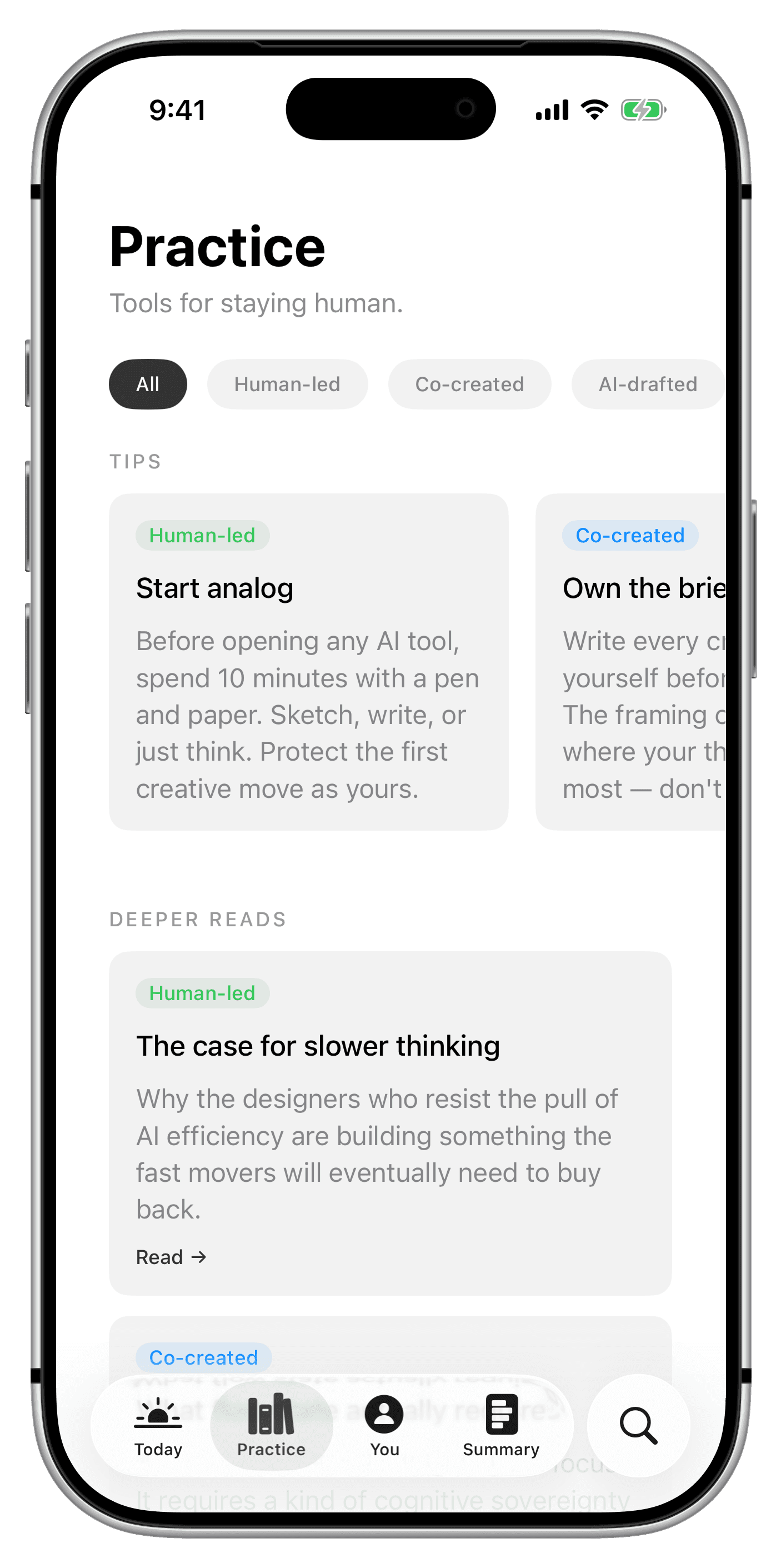
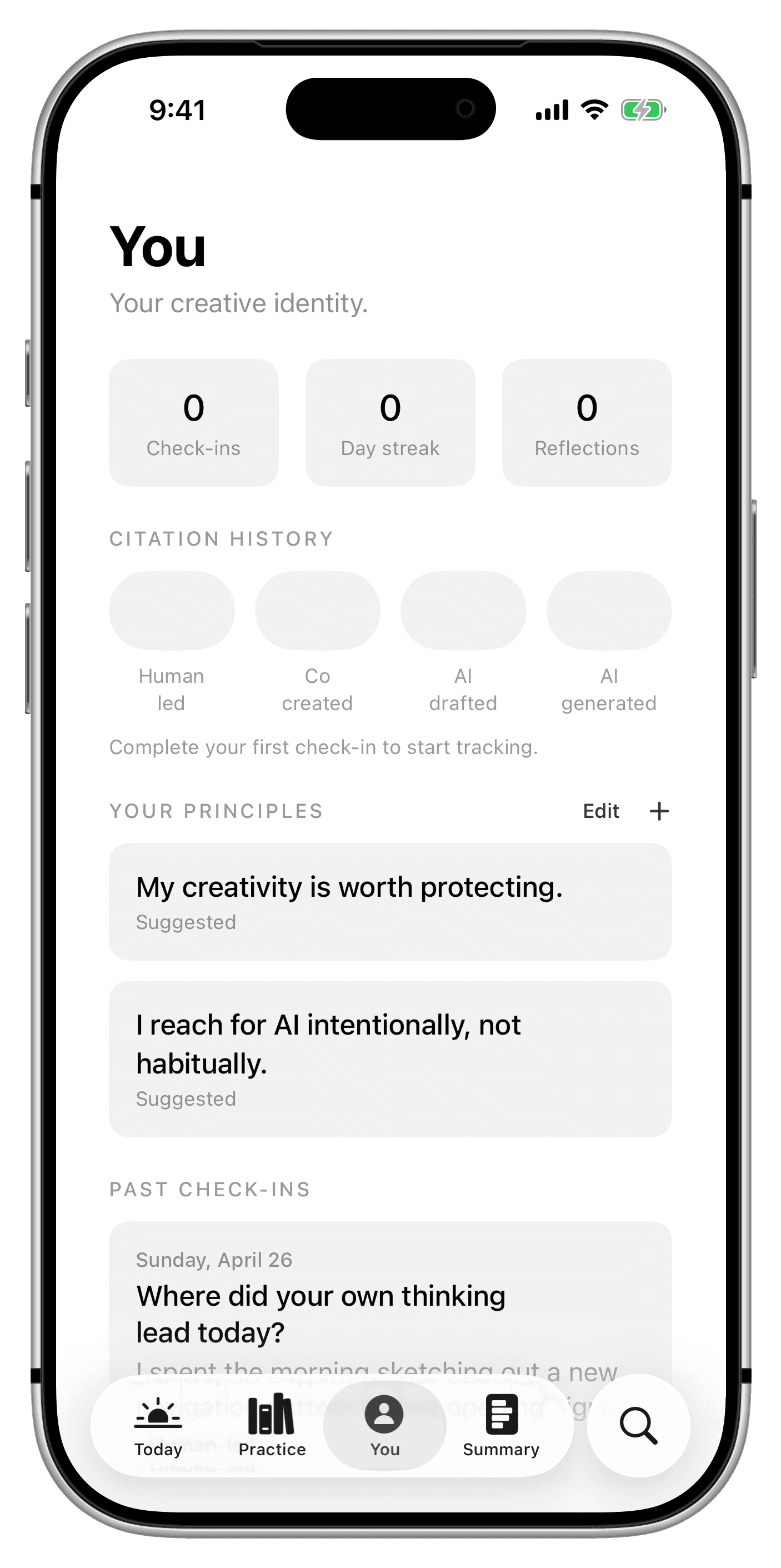
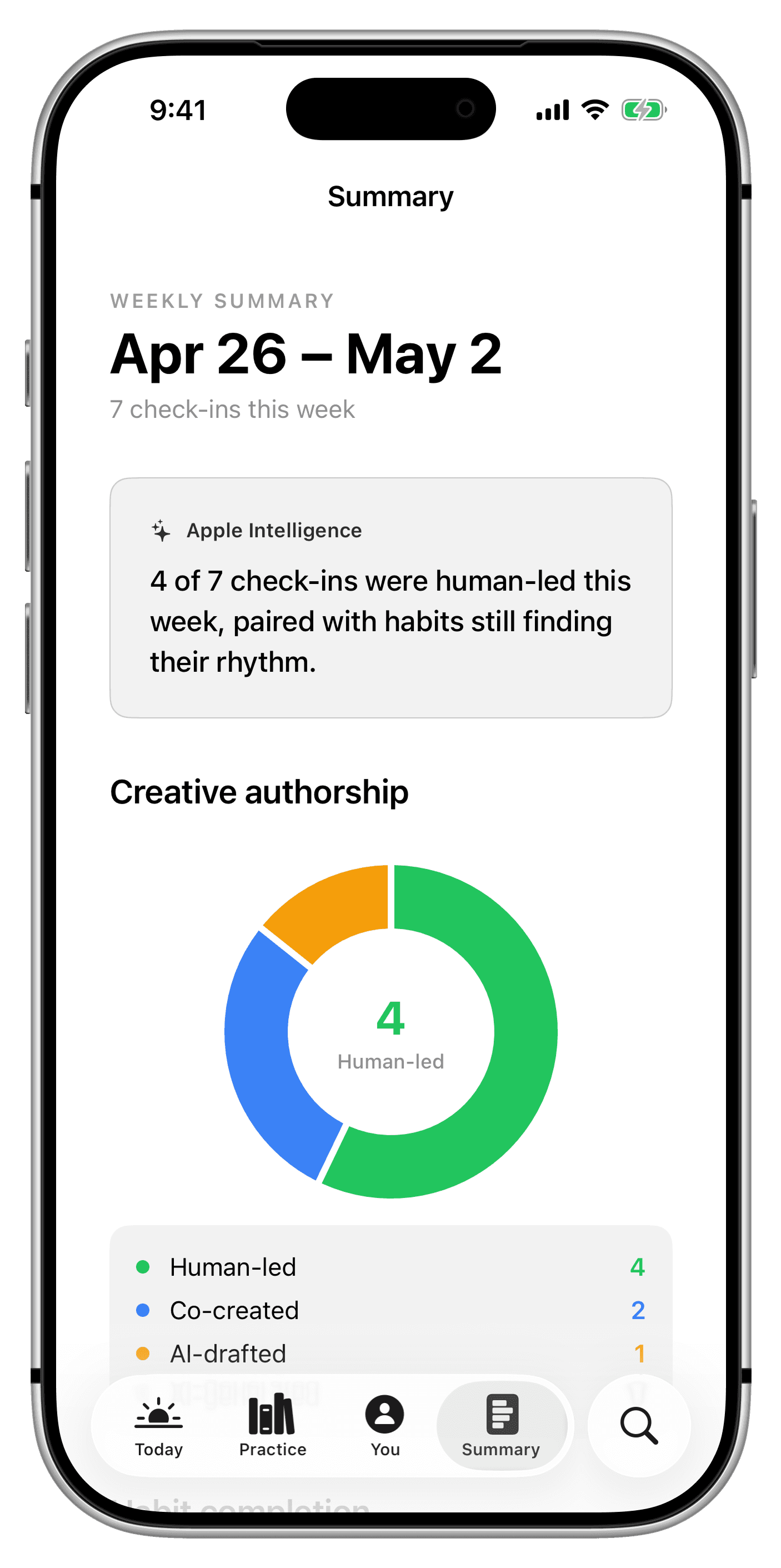
Program Development

Mentorship

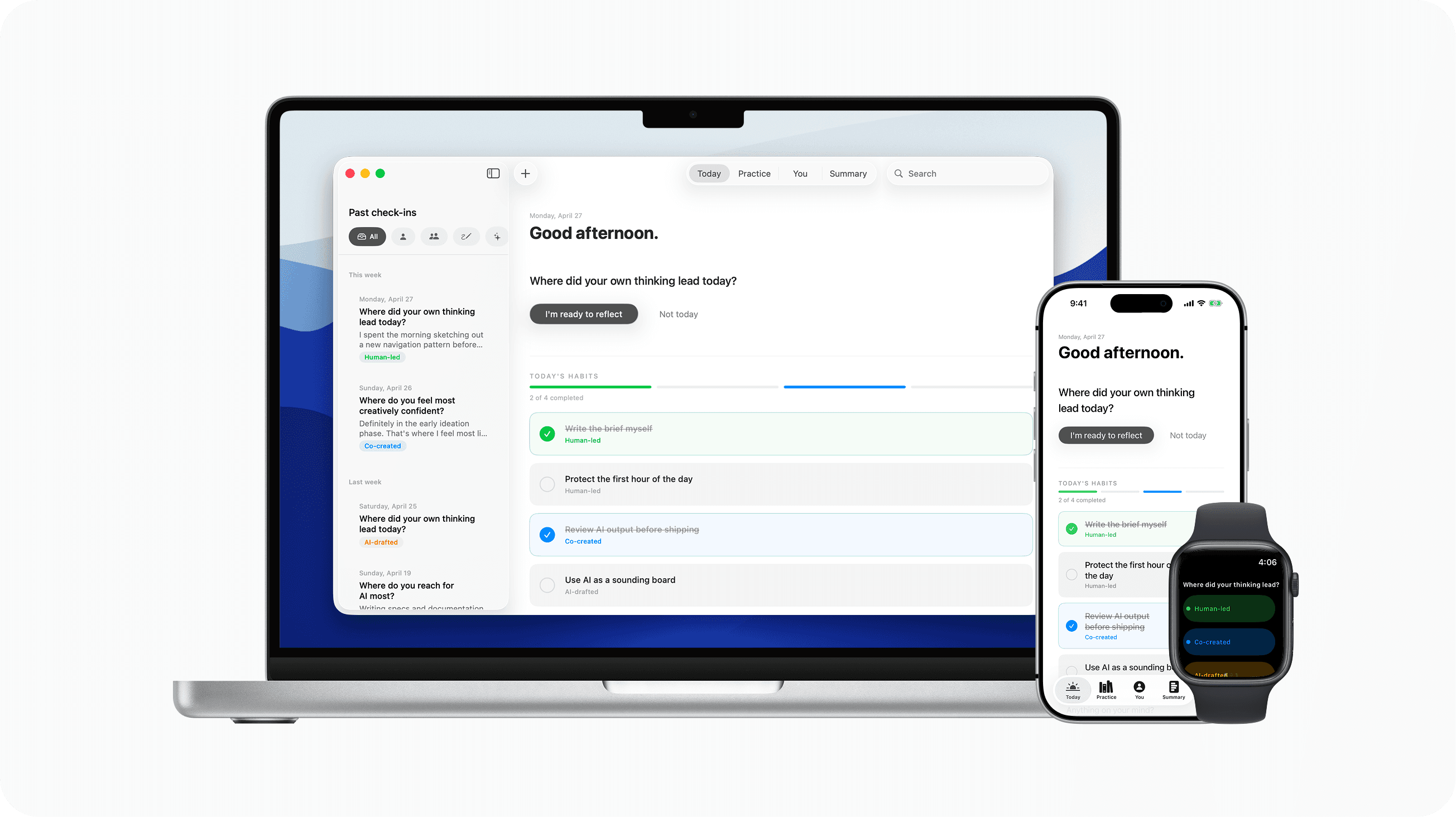
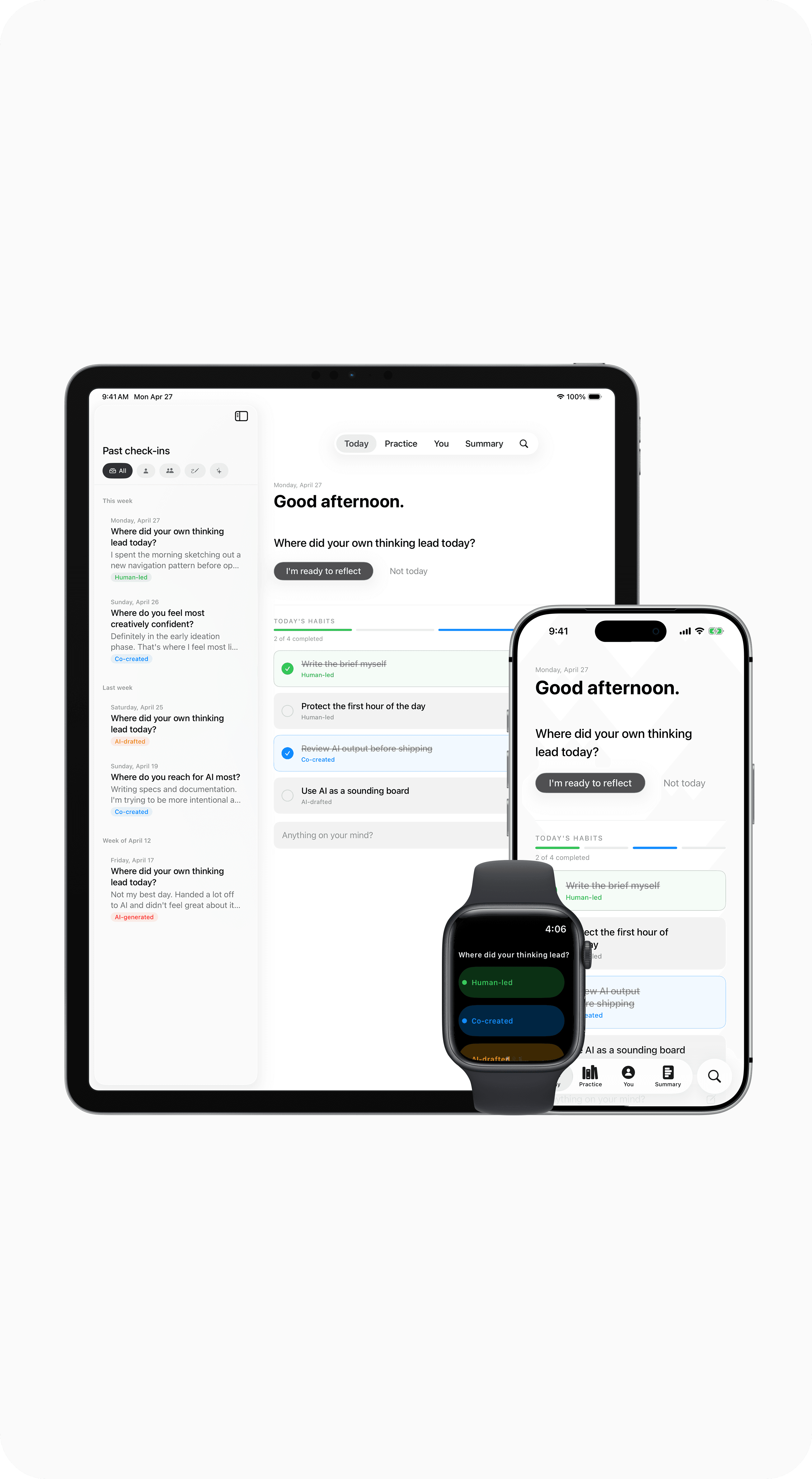
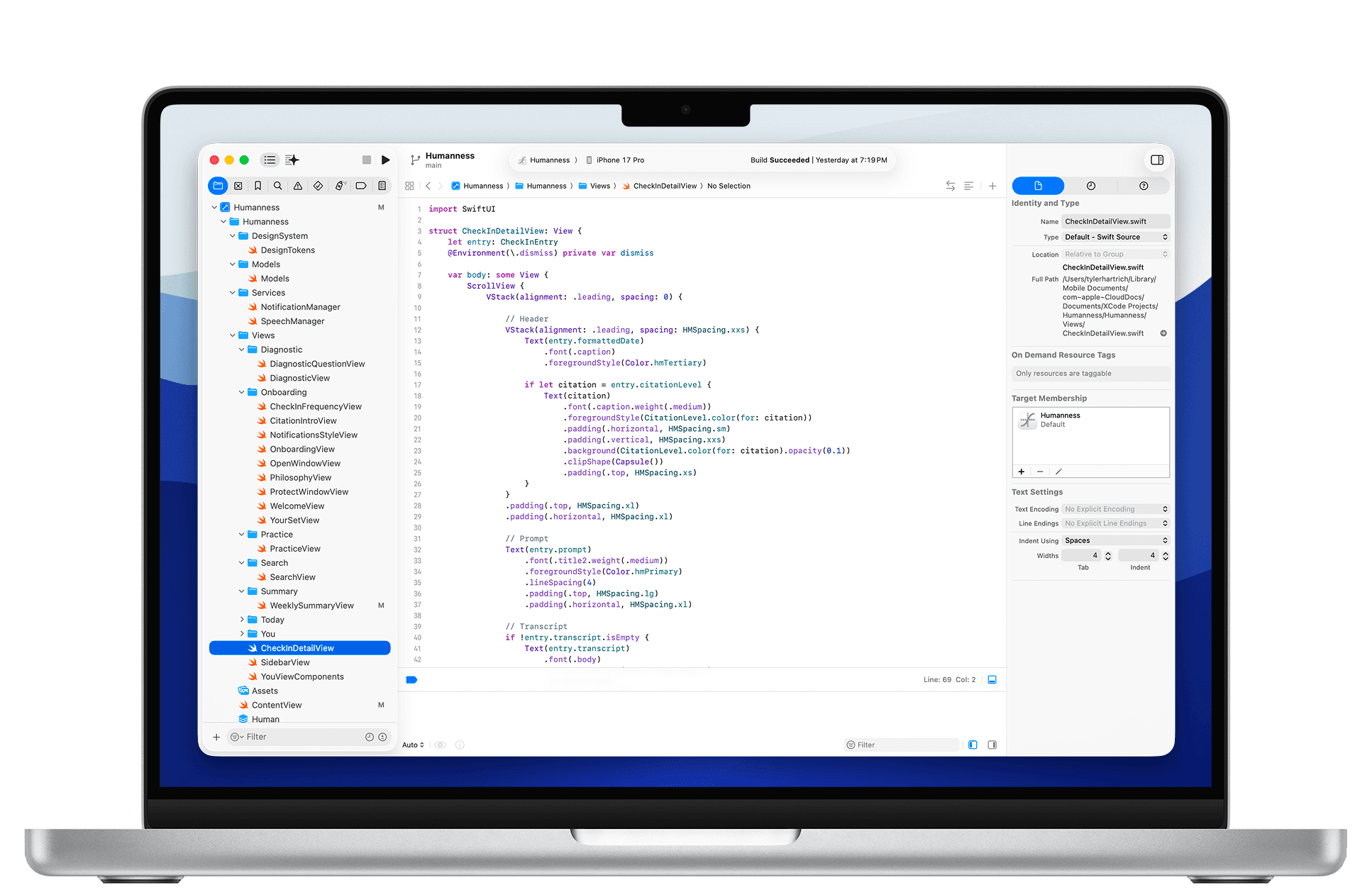
Interface KitDesign & Build
Practical DemonstrationDesign Refinement
Golden Hour
Landscape PhotographyGolden Hour
Working KnowledgeFrameworks & Models
Collaborating with AIPractical Methods

Leadership

Design Leadership

Mentoring the next generation of designers to lead with craft

How I scaled an experiment-driven model for product design education, putting instructors in the driver's seat of continuous curriculum improvement.
ROLE

Design Practice Lead

ROLE

Design Practice Lead

SCOPE

Org-wide / cross-functional

SCOPE

Org-wide / cross-functional

TEAM

Instructors & practice leads

TEAM

Org-wide / cross-functional

METHODS

DRI model, curriculum design

METHODS

12 instructors, 3 practice leads

INDUSTRY

Design Education

INDUSTRY

18 months, ongoing

TIMELINE

2025-2026

TIMELINE

18 months, ongoing

0+

0+

Instructors trained and onboarded to the DRI-driven curriculum model
0yrs

0yrs

Leading a distributed faculty team, each instructor owning program outcomes
0+

0+

Practice leads driving continuous curriculum updates across the design program

CONTEXT

Education moves slow. Industry keeps moving anyway.

The thing that keeps me up at night isn't whether the design is good. It's whether the people teaching it are still growing. That question is what this work is really about.

Design education has a fundamental velocity problem. Traditional curriculum governance, committees, approval cycles, annual reviews, operates on an academic timeline that industry stopped respecting years ago. By the time a program update ships, the skills students needed have already shifted.

GA's model gave us an advantage: a practitioner-led faculty and short cohort cycles. The question was whether we could build on that foundation to create something genuinely different, a program that learns in near real-time, not in retrospect.

A designer sits at a desk in conversation, relaxed and professional..

Practice

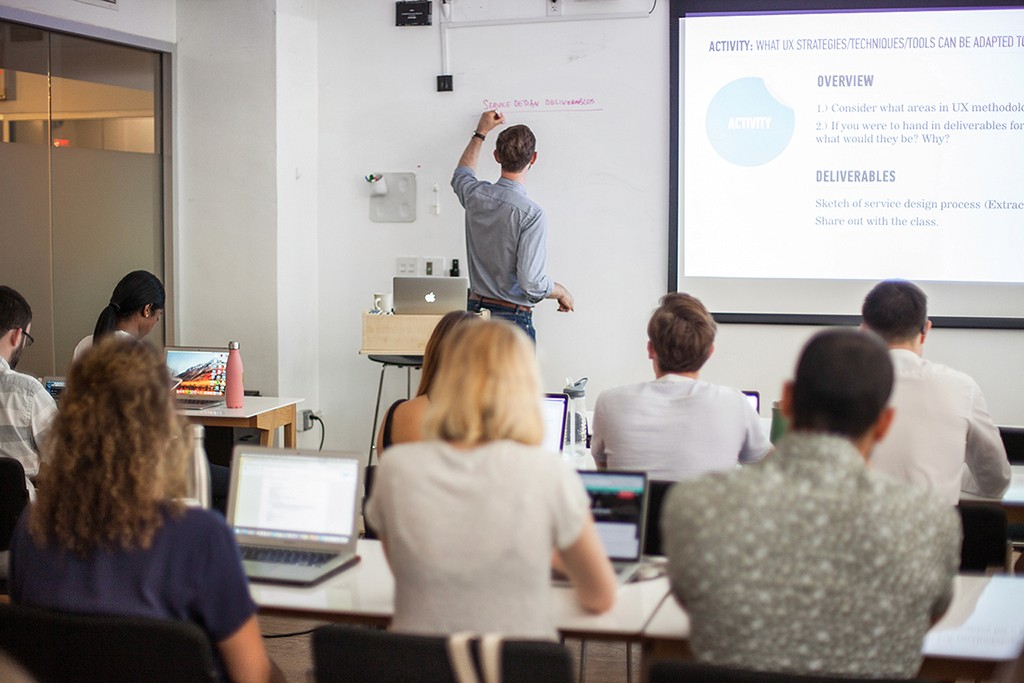
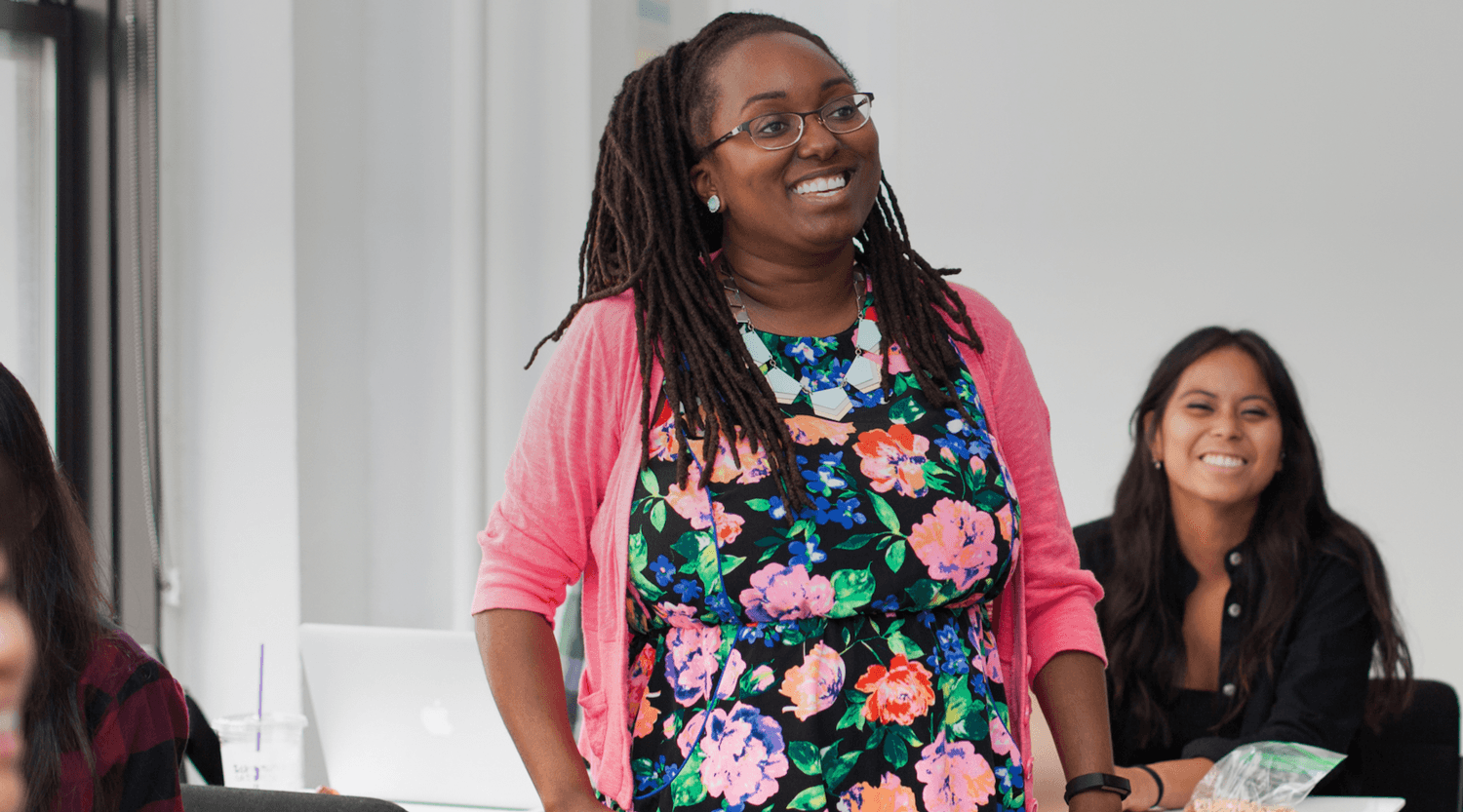
A candid shot of a practitioner mid-session, signaling active thinking and open exchange.

Hands-on

FRICTION MOMENT

The model came together. The people took longer.

The hardest part wasn't building the model. It was convincing a team of experienced practitioners that the way they'd always done it wasn't the ceiling. Some instructors pushed back hard. A few never fully bought in. That resistance taught me more about change management than any framework I've read. What it produced was a team that owned the work in a way they never had before.

WHAT WE BUILT

A three-level product: program, practice, and curriculum

The work operates at three distinct levels, each one a layer of the product. Together they form a living system that evolves with the industry rather than chasing it. Each level informs the next, and no single layer works without the others holding it up.

PROGRAM LEVEL

The design program as the product

The overarching GA product design program, its structure, arc, and outcomes, is the top-level product we're shipping. Every decision at the practice and curriculum layer serves this.

PROGRAM LEVEL

The design program as the product

The overarching GA product design program, its structure, arc, and outcomes, is the top-level product we're shipping. Every decision at the practice and curriculum layer serves this.

PRACTICE LEVEL

Faculty as a distributed product team

The instructors, their development, and the operating norms we build together are the team structure. How we hire, onboard, calibrate, and grow faculty is how we maintain quality at scale.

PRACTICE LEVEL

Faculty as a distributed product team

The instructors, their development, and the operating norms we build together are the team structure. How we hire, onboard, calibrate, and grow faculty is how we maintain quality at scale.

CURRICULUM LEVEL

What we ship is what students learn

The courses, projects, and learning experiences are the features we release. Curriculum is the artifact, the thing that goes out the door and into the world with every cohort.

CURRICULUM LEVEL

What we ship is what students learn

The courses, projects, and learning experiences are the features we release. Curriculum is the artifact, the thing that goes out the door and into the world with every cohort.

A designer working at a laptop in a clean, well-lit studio setting.

Real-world

A warm candid of a practitioner mid-process, reflecting active learning in real time.

Transfer

OPERATING MODEL

A product delivery loop for learning experience design

Every curriculum change runs through the same product-style loop, keeping improvements small, visible, and evidence-backed. The model scales from micro-fixes to macro program overhauls. Nothing ships without signal behind it.

01

Frame a well-defined challenge backed by data

01

Frame a well-defined challenge backed by data

02

Get cross-functional team visibility and buy-in

02

Get cross-functional team visibility and buy-in

03

Run the live experiment inside an active cohort

03

Org-wide / cross-functional

04

Evaluate the results, then strategically ship/iterate

04

Org-wide / cross-functional

A designer captured in a moment of engaged focus, mid-session and fully present.

Industry Transfer

A smiling designer at a desk, comfortable in their element and ready to collaborate.

Live Experiments

OUTCOMES

What this model made possible

Every curriculum change runs through the same product-style loop — keeping improvements small, visible, and evidence-backed. The model scales from micro-fixes to macro program overhauls.

What I'm proudest of here isn't the 91%. It's that we built a team that now questions the curriculum before I have to ask them to.

Design × Engineering capstone

A cross-functional project pairing UX and engineering students through a full design-to-development cycle, proposed by an instructor, validated in-cohort, now a permanent program pillar.

Design × Engineering capstone

A cross-functional project pairing UX and engineering students through a full design-to-development cycle, proposed by an instructor, validated in-cohort, now a permanent program pillar.

Industry SME review loop

A semiannual standards board with practitioners from across the industry. Curriculum changes are pressure-tested against real hiring signals before they ship at lightning quick scale.

Industry SME review loop

A semiannual standards board with practitioners from across the industry. Curriculum changes are pressure-tested against real hiring signals before they ship at lightning quick scale.

Faculty as learning experience owners

The team shifted identity, from content deliverers to design owners with real accountability for program outcomes. That ownership raised the ceiling on what they were willing to try.

Faculty as learning experience owners

The team shifted identity, from content deliverers to design owners with real accountability for program outcomes. That ownership raised the ceiling on what they were willing to try.

91% outcomes, sustained

Employment results have held across cohorts, the most durable signal that continuous iteration keeps the program calibrated to what the market is investing in and hiring for.

91% outcomes, sustained

Employment results have held across cohorts, the most durable signal that continuous iteration keeps the program calibrated to what the market is investing in and hiring for.

A smiling man with curly hair is sitting at a desk, looking at the camera, with a laptop and a lamp in the background.

Impact

Outcomes

A smiling man with curly hair is sitting at a desk, looking at the camera, with a laptop and a lamp in the background.

Impact

Outcomes

A smiling man with curly hair is sitting at a desk, looking at the camera, with a laptop and a lamp in the background.

Impact

Outcomes

The program that ships the most relevant skills earns its place. We built the operating model to stay ahead of that bar.

— Tyler Hartrich, Design Practice Lead
0%

0%

Graduate employment within 180 days

0+

0+

Instructors developed and led

0yrs

0yrs

Continuous delivery model, running

0+

0+

Leads across the design programs

0%

0%

Graduate employment within 180 days

0+

0+

Instructors developed and led

0yrs

0yrs

Continuous delivery model, running

0+

0+

Leads across the design programs

A young designer working at a laptop, focused and self-directed in a dark studio.

Native Capability

AI-Fluency

A young designer working at a laptop, focused and self-directed in a dark studio.

Native Capability

AI-Fluency

A young designer working at a laptop, focused and self-directed in a dark studio.

Native Capability

AI-Fluency

Learning

Learning Experience

Infusing AI-fluency into the DNA of emerging product designers

How I redesigned GA's product design curriculum from the ground up — moving AI from a topic students encounter to a native capability they graduate with.
ROLE

Senior Lead Instructor

ROLE

Senior Lead Instructor

SCOPE

Curriculum · Faculty Development · Program Strategy

SCOPE

Curriculum · Faculty Development · Program Strategy

TEAM

Faculty instructors · Industry SMEs · Instructional design

TEAM

Org-wide / cross-functional

METHODS

LX Design · Experiment-based iteration · SME validation

METHODS

12 instructors, 3 practice leads

INDUSTRY

Education Technology

INDUSTRY

18 months, ongoing

TIMELINE

2025–2026

TIMELINE

18 months, ongoing

0%

0%

Graduate employment within 180 days — sustained across cohorts

0yrs

0yrs

Running a continuous, product-style delivery model for curriculum
0k

0k

Curriculum improvements shipped and validated through the model

CONTEXT

AI is not a feature of design education. It's the new foundation.

I've watched a lot of design programs respond to AI by adding a module and calling it progress. I couldn't live with that answer.

For years, GA's product design program succeeded by doing one thing well: preparing career changers for the industry through applied, experiential learning. The hypothesis was simple, treat the student as the user, build the curriculum like a product, and iterate relentlessly. That model delivered a 91% outcomes rate and produced designers who could walk into industry-ready roles.

Then the ground shifted. AI moved from a tool designers might occasionally use to a capability the best ones think with natively. The curriculum had a choice: treat AI as a topic to introduce, or rebuild around it as a foundational lens. We chose the latter.

 designer working thoughtfully at a desk, laptop open, deep in a design challenge.

Immersion

 designer working thoughtfully at a desk, laptop open, deep in a design challenge.

Immersion

A candid mid-session moment capturing the energy of active, applied design learning.

Activation

STRATEGIC FRAMING

From AI-aware to AI-fluent: a different design identity

Most programs respond to AI by adding a module. We asked a harder question: what does it mean to graduate a designer who has AI-fluency in their DNA, not as a skill they learned, but as a way they think?

That reframe changed how we approached every unit, project brief, feedback method, and assessment. We weren't patching a curriculum. We were rebuilding the identity of what a GA graduate is.
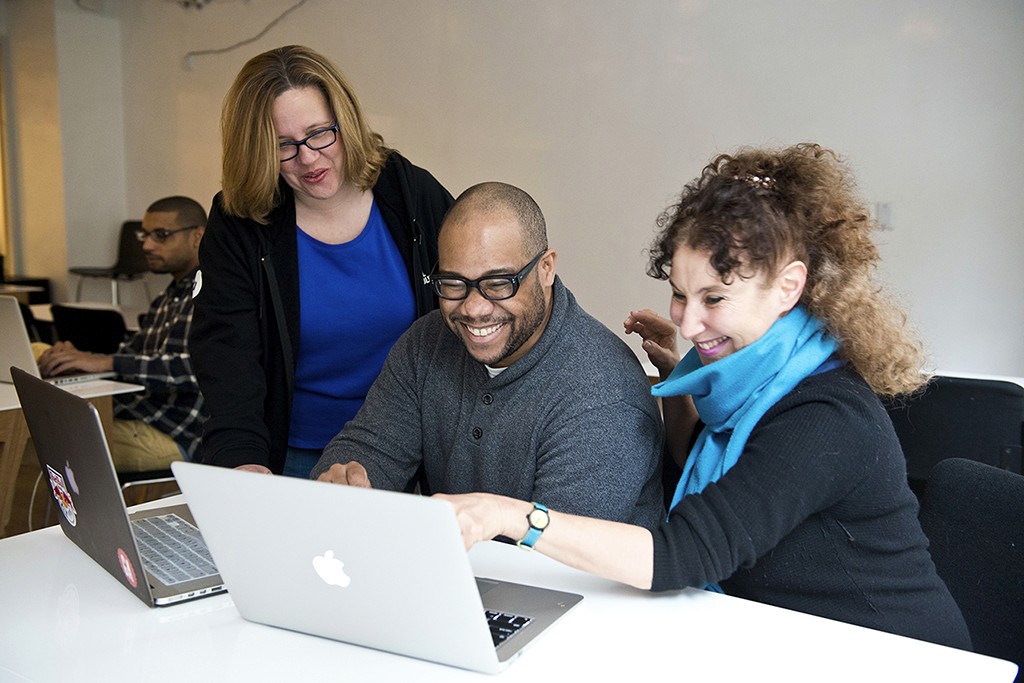
A designer mid-process, surrounded by ideas and in a state of productive momentum.

Native Practice

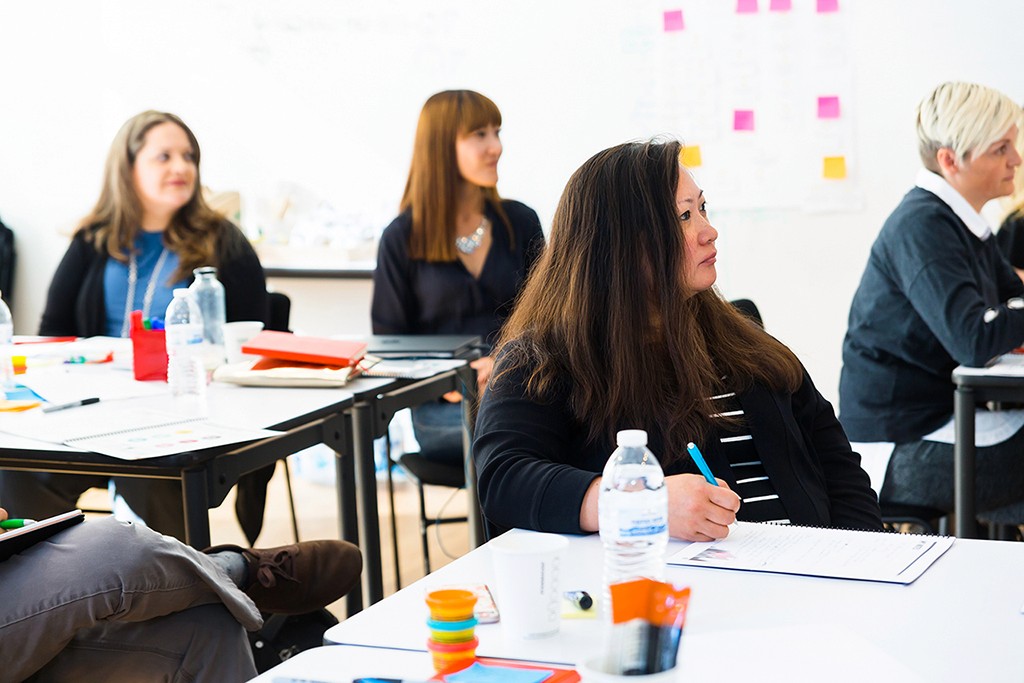
A learner working through a design challenge with calm focus and visible engagement.

Confidence


AI-fluency isn't a module. It's the mindset we build the entire program around.

— Tyler Hartrich, Design Practice Lead
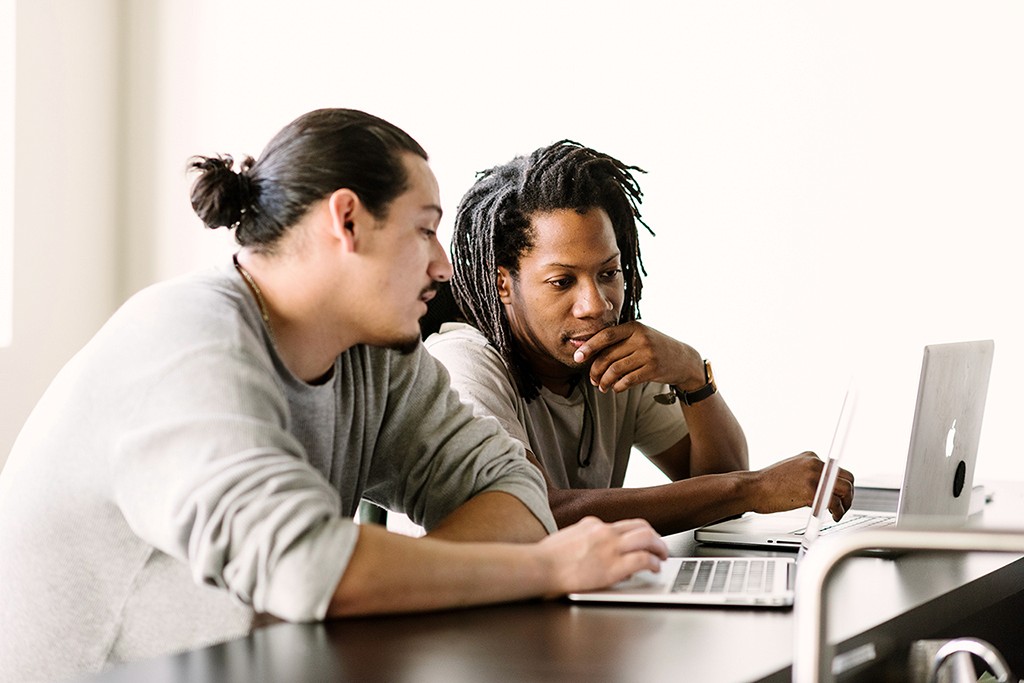
IDENTITY

The AI-fluent designer

We defined a new graduate archetype: a designer who integrates AI natively across research, synthesis, ideation, and delivery, not as augmentation, but as fluent practice. This became the north star for every curriculum decision.

IDENTITY

The AI-fluent designer

We defined a new graduate archetype: a designer who integrates AI natively across research, synthesis, ideation, and delivery, not as augmentation, but as fluent practice. This became the north star for every curriculum decision.

CURRICULUM

AI woven into every unit, not bolted on

Rather than a standalone AI course, we rebuilt project briefs, learning objectives, and studio sessions so that AI-integrated methods were the expected default, the same way collaboration and critique are built in, not optional.

CURRICULUM

AI woven into every unit, not bolted on

Rather than a standalone AI course, we rebuilt project briefs, learning objectives, and studio sessions so that AI-integrated methods were the expected default, the same way collaboration and critique are built in, not optional.

PRACTICE

Faculty as AI-fluent practitioners first

Instructors were asked to model the identity before they could teach it. I built a faculty development track alongside the curriculum redesign, ensuring the team was working at the frontier, not behind it.

PRACTICE

Faculty as AI-fluent practitioners first

Instructors were asked to model the identity before they could teach it. I built a faculty development track alongside the curriculum redesign, ensuring the team was working at the frontier, not behind it.

A practitioner collaborating at close range, actively engaged in co-design.

Collaboration

A learner in a final review session, presenting work with clarity and conviction.

Delivery

FRICTION MOMENT

Development goes both ways.

The faculty development piece was harder than the curriculum redesign. Asking experienced instructors to publicly practice something they hadn't mastered yet required a level of psychological safety we had to build before we could ask for it. Some weeks the energy in the room felt more like resistance than readiness. We kept going anyway.

DESIGN APPROACH

Six tenets of an AI-native learning experience

The redesign was grounded in the same operating principle we'd used for years — treat the student as the user, the curriculum as the product. These six tenets defined what an AI-native learning experience actually looks like in practice.

01

Fluency over familiarity

Students learn to think with AI, not just use it, building judgment, not just technique.

02

The classroom as a laboratory

Every cohort is a live experiment. Instructors test new AI-integrated methods and report back.

03

Real workflows, not simulations

AI tools used in the program mirror what students will encounter on day one of their first role.

03

Real workflows, not simulations

Org-wide / cross-functional

04

Feedback as signal

Student feedback on AI-integrated units drives the next iteration. The loop is continuous.

04

Feedback as signal

Org-wide / cross-functional

05

Identity, not addition

AI-fluency is framed as what kind of designer you are, not a skill layer you add to your resume.

05

Identity, not addition

Org-wide / cross-functional

06

SME-validated at every cycle

Industry partners pressure-test AI curriculum relevance semiannually against live hiring signals.

06

SME-validated at every cycle

Org-wide / cross-functional

OUTCOMES

What the redesign produced

The redesign will need to happen again in two years. That's not a failure — it's proof the model is working.
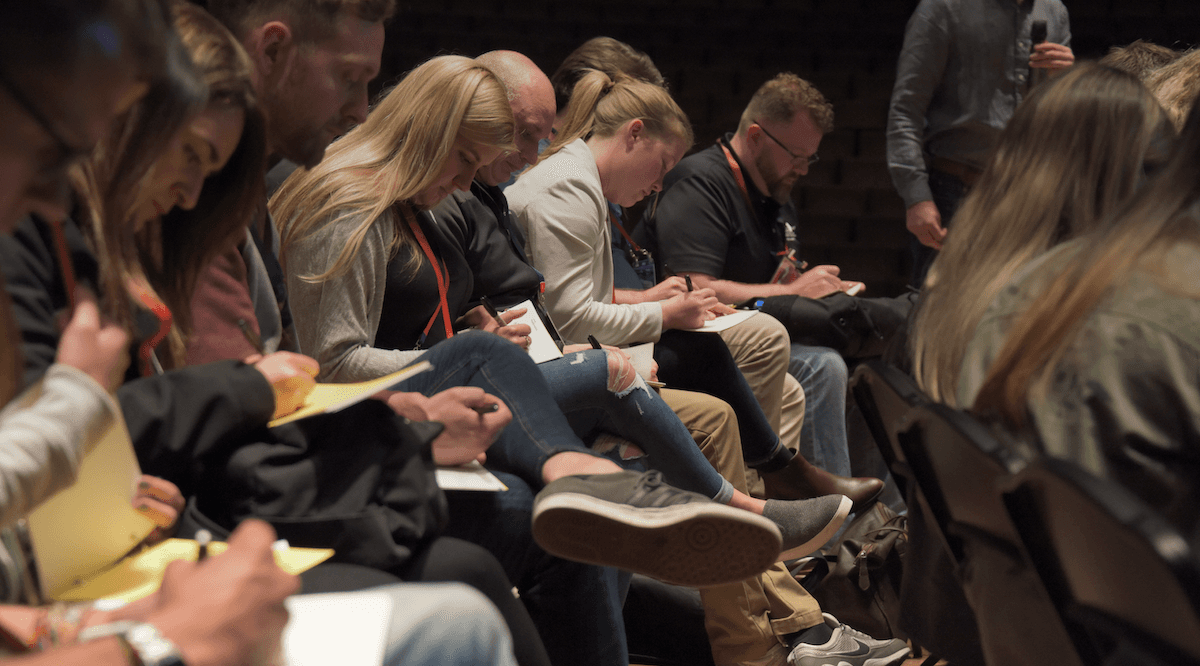
A new graduate identity

GA designers now graduate as AI-fluent practitioners, a differentiated identity that resonates with the employers actively reshaping their hiring profiles around this valuable capability.

A new graduate identity

GA designers now graduate as AI-fluent practitioners, a differentiated identity that resonates with the employers actively reshaping their hiring profiles around this valuable capability.

AI-native project briefs

Every major unit project was rewritten to embed AI methods as a required design tool, not optional enrichment. Students leave with a portfolio that demonstrates fluency, not just awareness.

AI-native project briefs

Every major unit project was rewritten to embed AI methods as a required design tool, not optional enrichment. Students leave with a portfolio that demonstrates fluency, not just awareness.

Faculty development track

A parallel instructor upskilling program ensures the team leading the curriculum is operating at the frontier, modeling the identity students are expected to grow into.

Faculty development track

A parallel instructor upskilling program ensures the team leading the curriculum is operating at the frontier, modeling the identity students are expected to grow into.

91% outcomes, defended

Employment results held through the redesign, validating that deepening AI-fluency didn't compromise job-readiness. It sharpened it.

91% outcomes, defended

Employment results held through the redesign, validating that deepening AI-fluency didn't compromise job-readiness. It sharpened it.

A designer at a well-lit desk, settled in deep focus, embodying native AI-fluent practice.

Foundation

Fluency


The designers who will lead the next decade are the ones who learned to think with AI from day one, not study it from a distance.

— Tyler Hartrich, Design Practice Lead

0%

0%

Curriculum rebuilt w/AI-native briefs

0+

0+

Experiments on AI practice

0yrs

0yrs

Building AI-fluent designer framework

0

0

Tenets defining the AI-native learning

0%

0%

Curriculum rebuilt w/AI-native briefs

0+

0+

Experiments on AI practice

0yrs

0yrs

Building AI-fluent designer framework

0

0

Tenets defining the AI-native learning

A small design team collaborating around a shared workspace, ideas in motion.

Adaptive Teaming

Living Systems

A small design team collaborating around a shared workspace, ideas in motion.

Adaptive Teaming

Living Systems

Teaming

Ecological Teaming

Building ecologically inspired product design teams of the future

How I developed a framework and program for designing product teams that operate less like org charts and more like living systems, with distributed ownership, clear accountability, and the adaptive capacity to evolve.
ROLE

Founder · Design Lead

ROLE

Founder · Design Lead

SCOPE

Team Design · Leadership Development · DRI Model

SCOPE

Team Design · Leadership Development · DRI Model

TEAM

Forthward cohort · GA faculty · Industry practitioners

TEAM

Org-wide / cross-functional

METHODS

Cohort sessions · Field research · Scenario-based learning

METHODS

12 instructors, 3 practice leads

INDUSTRY

Design Education · Product Org Design

INDUSTRY

18 months, ongoing

TIMELINE

2025–2026

TIMELINE

18 months, ongoing

0+

0+

Designers developed through Forthward cohort sessions across both career stages
0+

0+

Forthward running as an independent laboratory for ecological teaming practice
0+

0+

Distinct program tracks built and validated across cohort formats and archetypes

CONTEXT

The hierarchy has limits. The org chart was never designed for how the best teams actually function.

I've never been comfortable with the way most design teams are structured. Too hierarchical to move fast, too siloed to build trust, too focused on reporting lines to develop real ownership. I started building an alternative.

The dominant model for product design teams, hierarchical, role-siloed, top-down, was designed for a different era. It assumes predictability, clear chain of command, and work that flows in one direction. None of those assumptions hold in a fast-moving product environment where designers are expected to lead through influence, make calls without permission, and collaborate across functions that don't report to the same person.

The designers I've worked with through GA and Forthward have consistently surfaced the same friction: they have the craft, but lack the structural vocabulary to understand how healthy, flat, high-trust teams operate and how to find their footing and authority within them. That gap is exactly what this framework was built to close.
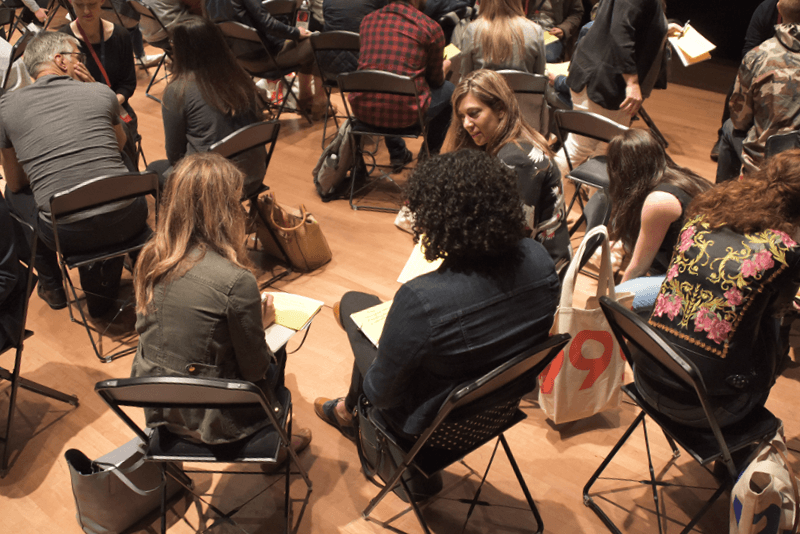
A flat-team working environment showing open, distributed collaboration in practice.

Distributed

Designers in a group session, listening and contributing as peers in a shared process.

Peer-2-Peer

STRATEGIC FRAMING

Nature already solved this. We borrowed the model.

Ecological systems don't have org charts. They have interdependence, distributed roles, clear contribution to the whole, and remarkable resilience under pressure. Mycelial networks share nutrients without a central node directing them. A forest canopy self-organizes around available light. These aren't metaphors. They're operating principles.

The ecological teaming framework draws directly from these systems to ask: what would a product design team look like if it was designed the way nature designs? The answer shapes everything from how ownership is distributed to how decisions get made to what it means to lead without a title.

The best teams aren't managed from the top. They're cultivated from within, like any living system worth sustaining.

— Tyler Hartrich, Design Practice Lead

THE MODEL

Flat, networked, ecologically inspired

The framework replaces hierarchical command with distributed stewardship. Every team member holds a defined sphere of influence, not a job title, and the team's health is measured by how well those spheres interlock, not by who reports to whom.

THE MODEL

Flat, networked, ecologically inspired

The framework replaces hierarchical command with distributed stewardship. Every team member holds a defined sphere of influence, not a job title, and the team's health is measured by how well those spheres interlock, not by who reports to whom.

THE DRI

Directly responsible individual as the unit of accountability

Flat structures fail without clear ownership. The DRI model, borrowed from Apple's operating culture and embedded here as a design team practice, assigns one person as the accountable node for every meaningful decision. Not the most senior person. The most informed, most committed one. This is the connective tissue that makes distributed teams actually work.

THE DRI

Directly responsible individual as the unit of accountability

Flat structures fail without clear ownership. The DRI model, borrowed from Apple's operating culture and embedded here as a design team practice, assigns one person as the accountable node for every meaningful decision. Not the most senior person. The most informed, most committed one. This is the connective tissue that makes distributed teams actually work.

THE PROGRAM

Forthward as the learning environment

The Forthward micro-school became the laboratory for this framework, running scenario-based sessions with designers at both the budding and experienced career stages, building the muscle memory for flat-team leadership before they needed it on the job.

THE PROGRAM

Forthward as the learning environment

The Forthward micro-school became the laboratory for this framework, running scenario-based sessions with designers at both the budding and experienced career stages, building the muscle memory for flat-team leadership before they needed it on the job.

THE DRI MODEL IN PRACTICE

Ownership without hierarchy

In a flat team, authority isn't granted by title. It's earned through accountability. The DRI framework gives designers a concrete practice for claiming and exercising that accountability. Every project, initiative, and decision has a named owner. That owner is empowered to move, and equally expected to.
Decision areaDRI ownsTeam contributes
Research directionFinal synthesis framing and method selectionRaw data, field notes, pattern observations
Design directionCall on which direction moves forwardDivergent concepts, critique, constraints
Stakeholder narrativeHow the work is framed and presentedSupporting rationale and evidence
Team processRituals, cadence, and working agreementsFeedback on what's working and what isn't
Decision areaDRI ownsTeam contributes
Research directionFinal synthesis framing and method selectionRaw data, field notes, pattern observations
Design directionCall on which direction moves forwardDivergent concepts, critique, constraints
Stakeholder narrativeHow the work is framed and presentedSupporting rationale and evidence
Team processRituals, cadence, and working agreementsFeedback on what's working and what isn't
A team mid-discussion in a collaborative session, decisions being shaped in real time.

Accountability

A flat-team environment with practitioners working across a shared surface, side by side.

Interdependence

FRICTION MOMENT

Ownership is learned, not assigned.

The DRI model is elegant in theory and genuinely difficult in practice. In early Forthward sessions, designers would intellectually accept the idea of distributed ownership and then immediately defer to whoever felt most senior in the room. Building the muscle for real accountability took longer than I expected and required more direct coaching than the framework alone could provide.

DESIGN APPROACH

Five conditions for an ecologically healthy design team

Derived from Forthward session research, field interviews, and the Orb Growth Framework, these are the conditions that distinguish teams that thrive from teams that merely function.

01

Distributed roots

Every team member holds a sphere of ownership. No single node controls the whole system.

01

Every team member holds a sphere of ownership. No single node controls the whole system.

02

Named accountability

The DRI model ensures every decision has one owner. Flat doesn't mean diffuse. It means trust with teeth.

02

The DRI model ensures every decision has one owner. Flat doesn't mean diffuse. It means trust with teeth.

03

Influence over authority

Designers lead by building the case for design through evidence, craft, and earned credibility, not rank.

03

Org-wide / cross-functional

04

Adaptive capacity

Healthy teams evolve their process. Working agreements are living documents, not policies to enforce.

04

Org-wide / cross-functional

05

Regenerative feedback

Critique, retrospectives, and peer input are the nutrients the system runs on, built in, not bolted on.

05

Org-wide / cross-functional

06

Mission as root system

The strongest teams share a collective north star that outlasts any single role, project, or reorg.

06

Org-wide / cross-functional

OUTCOMES

What this framework produced

The ecological teaming framework isn't finished. I'm still running it, still refining it, and still learning from every room it enters. That feels right — a living system should keep growing.

A teachable team design model

The ecological teaming framework became a Forthward program track, giving designers a concrete, practical vocabulary for how to operate in and shape flat, high-trust team environments.

A teachable team design model

The ecological teaming framework became a Forthward program track, giving designers a concrete, practical vocabulary for how to operate in and shape flat, high-trust team environments.

DRI as a design practice

The DRI model was translated from Silicon Valley operating culture into something designers could actually practice, through scenario-based sessions, role-playing, and real project work.

DRI as a design practice

The DRI model was translated from Silicon Valley operating culture into something designers could actually practice, through scenario-based sessions, role-playing, and real project work.

Two designer archetypes served

Budding designers learned the model before entering their first role. Experienced designers used it to reshape the team dynamics they were already living in. Both left with tools they could deploy immediately.

Two designer archetypes served

Budding designers learned the model before entering their first role. Experienced designers used it to reshape the team dynamics they were already living in. Both left with tools they could deploy immediately.

A framework that scales

The same ecological teaming principles that informed Forthward sessions are now informing how I build and lead design practices at GA — proving the model works beyond the classroom.

A framework that scales

The same ecological teaming principles that informed Forthward sessions are now informing how I build and lead design practices at GA — proving the model works beyond the classroom.

A design team in a retrospective moment, reflecting on what the work produced together.

Systems

Reflection

The designers who lead the next decade aren't the ones who learned about AI. They're the ones who learned to think with it from day one.

— Tyler Hartrich, Design Practice Lead

0

0

Archetypes, one shared model

0

0

5 conditions for team health

0wk

0wk

Cohort program built

0yrs

0yrs

Distilled into framework

0

0

Archetypes, one shared model

0

0

5 conditions for team health

0wk

0wk

Cohort program built

0yrs

0yrs

Distilled into framework

A designer and developer seated side by side, working through a live handoff moment.

Workflow

Handoff

A designer and developer seated side by side, working through a live handoff moment.

Workflow

Handoff

A designer and developer seated side by side, working through a live handoff moment.

Workflow

Handoff

Product

Product Workflow

Forging designer-to-developer workflows in the age of AI
How I architected and continue to evolve GA's cross-functional product collaboration program, turning a pilot experiment into the most differentiating experience in the curriculum and the clearest signal in graduate outcomes.

How I architected and continue to evolve GA's cross-functional product collaboration program, turning a pilot experiment into the most differentiating experience in the curriculum and the clearest signal in graduate outcomes.

ROLE

Design Practice Lead · Program Advisor

ROLE

Design Practice Lead · Program Advisor

SCOPE

Cross-functional program design · Curriculum · Advisorship

SCOPE

Cross-functional program design · Curriculum · Advisorship

TEAM

UX design + engineering faculty · Industry SMEs

TEAM

Org-wide / cross-functional

METHODS

Experiential learning · SME validation · Iterative program design

METHODS

12 instructors, 3 practice leads

INDUSTRY

Design Education · Product Development

INDUSTRY

18 months, ongoing

TIMELINE

2025–2026

TIMELINE

18 months, ongoing

0+

0+

Designers and engineers paired through live cross-functional product sprints

0+

0+

Program iterations run and validated through structured retros + SME feedback
0+

0+

Sprints modeled on product team milestones from kickoff to stakeholder presentation

CONTEXT

The most asked interview question that design education consistently fails to answer

Every time a GA graduate walked into an interview and stumbled on the cross-functional question, I took it personally. I'd built the curriculum. That gap was mine to close.

Every associate-level design interview includes a version of the same question: "Tell me about a time you worked closely with an engineer." For most bootcamp graduates, that question lands like a trap. They've learned the craft. They've built the portfolio. But they've never shipped anything with a developer, and hiring managers can tell.

As Design Practice Lead and program advisor, I've spent years building the infrastructure to close that gap: a live, six-week cross-functional collaboration that puts UX design and software engineering students on the same product team, working against the same brief, navigating the same constraints a real team would face on day one.
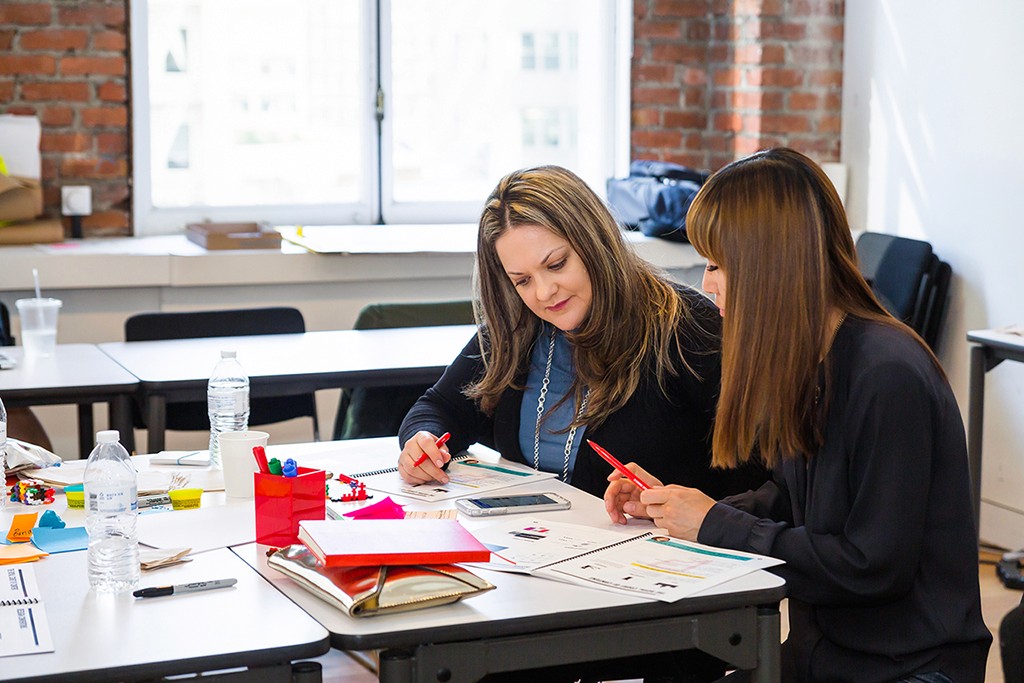
A designer and developer seated side by side, working through a live handoff moment.

Collaboration

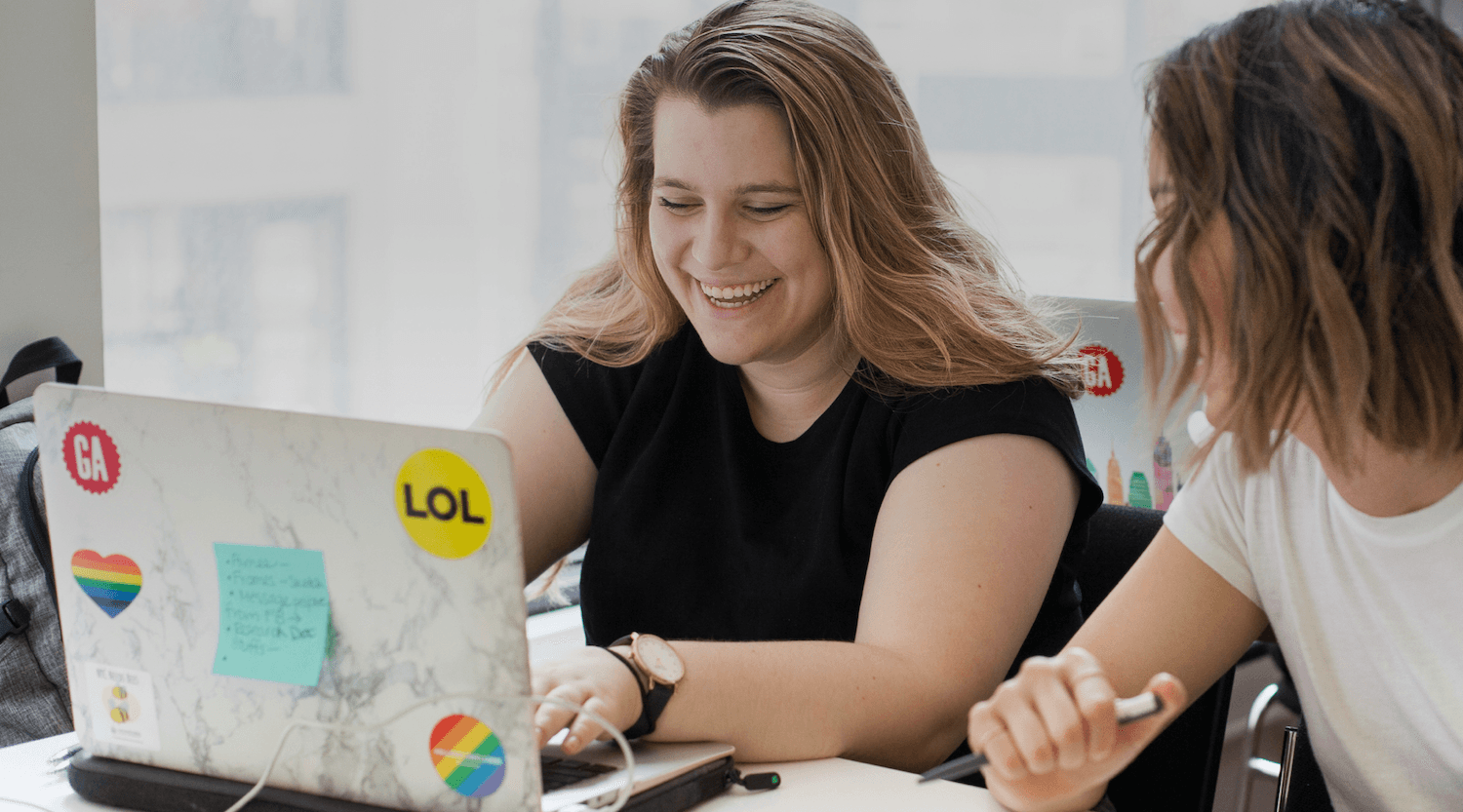
A candid of a cross-functional team at work, navigating shared constraints together.

Design Sprint

STRATEGIC FRAMING

A simulated product team — with the friction kept in

The instinct in design education is to smooth the rough edges. We deliberately didn't. The program was designed to surface the exact tensions that define real product team work: misaligned timelines, handoff ambiguity, competing priorities between design quality and technical feasibility, and the ongoing negotiation of what "done" actually means.

In my role as advisor and practice lead, I shaped the program's operating philosophy: don't simulate a frictionless product team. Simulate a real one, and give students the frameworks to navigate it. The friction is the curriculum.

The best collaboration experience is the one that prepares you to build alignment, navigate ambiguity, and find your footing when the path isn't perfectly clear.

— Tyler Hartrich, Design Practice Lead

DESIGN ROLE

Designers as product collaborators, not just deliverable owners

Students are pushed beyond Figma handoffs into the full lifecycle: sprint planning, scope negotiation, live design reviews with engineering partners, and iterating from developer feedback in real time. The program reframes what design contribution looks like inside a product team.

DESIGN ROLE

Designers as product collaborators, not just deliverable owners

Students are pushed beyond Figma handoffs into the full lifecycle: sprint planning, scope negotiation, live design reviews with engineering partners, and iterating from developer feedback in real time. The program reframes what design contribution looks like inside a product team.

AI INTEGRATION

AI-assisted workflows built into the collaboration model

The program has been updated to reflect how modern product teams actually work. AI tools are embedded into research synthesis, prototype iteration, and engineering spec generation, not as a shortcut, but as a shared team capability that both designers and engineers are expected to navigate together.

AI INTEGRATION

AI-assisted workflows built into the collaboration model

The program has been updated to reflect how modern product teams actually work. AI tools are embedded into research synthesis, prototype iteration, and engineering spec generation, not as a shortcut, but as a shared team capability that both designers and engineers are expected to navigate together.

ADVISORY ROLE

Practice leadership shaping the program's ongoing evolution

As the design practice lead and ongoing advisor, I hold accountability for the program's strategic direction — ensuring each new instance reflects the current state of how cross-functional product teams operate, not how they operated three years ago.

ADVISORY ROLE

Practice leadership shaping the program's ongoing evolution

As the design practice lead and ongoing advisor, I hold accountability for the program's strategic direction, ensuring each new instance reflects the current state of how cross-functional product teams operate, not how they operated three years ago.

FRICTION MOMENT

Smooth isn't the same as good.

The first version of the program was too clean. We smoothed out too many rough edges in the name of a good learning experience and ended up teaching students how to collaborate in ideal conditions that don't exist in real product teams. We had to deliberately reintroduce friction — and convince faculty that a harder experience was a better one.

PROGRAM STRUCTURE

Six weeks modeled on a real product team sprint cycle

Each phase of the program mirrors a milestone a junior designer and engineer would hit in their first 90 days on the job, with structured learning objectives, cross-functional working sessions, and a continuous feedback loop informing what the next iteration looks like.
Phase 01

Team formation + sprint kickoff

Working agreements, role clarity, tool setup, and shared project brief. Teams establish their DRI structure from day one.

Phase 01

Working agreements, role clarity, tool setup, and shared project brief. Teams establish their DRI structure from day one.

Phase 02

Discovery + scoping

User research synthesis, AI-assisted insight generation, and joint scope definition between design and engineering.

Phase 02

User research synthesis, AI-assisted insight generation, and joint scope definition between design and engineering.

Phase 03

Design to build

Iterative design reviews, live handoff critique, and the negotiation of feasibility against fidelity.

Phase 03

Org-wide / cross-functional

Phase 04

Build + QA loop

Engineers build; designers QA. Roles blur intentionally. Students learn to give and receive feedback across domain lines.

Phase 04

Org-wide / cross-functional

Phase 05

Stakeholder presentation

Teams present to a panel of industry practitioners, narrating not just what they built, but how they macreated decisions.

Phase 05

Org-wide / cross-functional

Phase 06

Retrospective + iteration

Structured team retrospective. Insights feed directly, modeling the continuous improvement loop at scale.

Phase 06

Org-wide / cross-functional

A team in a product sprint session, working under pressure with real deliverables in sight.

Momentum

Sprint

The best collaboration experience isn't the one where everything goes smoothly. It's the one that prepares you for when it doesn't.

— Tyler Hartrich, Design Practice Lead

OUTCOMES

What the program consistently produces

Twenty-five iterations in, this program still surprises me. Every new cohort finds a different edge to test, a constraint we hadn't considered, a tension we thought we'd resolved. That's how I know it's working.

Interview-ready cross-functional fluency

Graduates answer the hardest interview questions with real, lived experience: sprint planning, handoff negotiation, and developer feedback cycles they've actually run, not theoretical frameworks.

Interview-ready cross-functional fluency

Graduates answer the hardest interview questions with real, lived experience: sprint planning, handoff negotiation, and developer feedback cycles they've actually run, not theoretical frameworks.

AI-native collaboration workflows

The updated program embeds AI tools across both design and engineering workflows, mirroring the expectation that modern product teams use these capabilities as a shared team fluency, not a solo skill.

AI-native collaboration workflows

The updated program embeds AI tools across both design and engineering workflows, mirroring the expectation that modern product teams use these capabilities as a shared team fluency, not a solo skill.

25+ iterations and still evolving

Each program instance generates structured retrospective data that feeds the next. As program advisor, I ensure the curriculum stays calibrated to current industry practice, not that of 3+ years ago.

25+ iterations and still evolving

Each program instance generates structured retrospective data that feeds the next. As program advisor, I ensure the curriculum stays calibrated to current industry practice, not that of 3+ years ago.

The clearest signal in outcomes

Hiring managers consistently cite cross-functional collaboration experience as the differentiator for GA graduates. The 91% employment rate holds, and this program is its most durable driver.

The clearest signal in outcomes

Hiring managers consistently cite cross-functional collaboration experience as the differentiator for GA graduates. The 91% employment rate holds, and this program is its most durable driver.

A designer working confidently in a cross-functional environment, craft and code in sync.

Partnership

A designer working confidently in a cross-functional environment, craft and code in sync.

Partnership

A candid post-session moment — a team wrapping a productive, hard-won sprint cycle.

Execution


The designers who will lead the next decade aren't the ones who learned about AI. They're the ones who learned to think with it from day one.

— Tyler Hartrich, Design Practice Lead

0+

0+

Program iterations, still evolving

0%

0%

Employment, program's clearest driver

0

0

Phases modeled on real sprint cycle

0wks

0wks

Cross-functional collaboration program

0+

0+

Program iterations, still evolving

0%

0%

Employment, program's clearest driver

0

0

Phases modeled on real sprint cycle

0wks

0wks

Cross-functional collaboration program

I'm always open to meaningful conversations

I'm here for it —whether you have a question, an idea, or just want to connect—reach out and let's build a conversation.

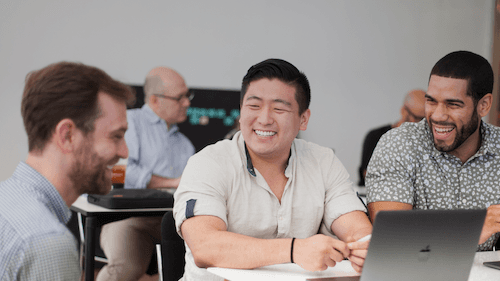
Smiling young women and man in a conversation.
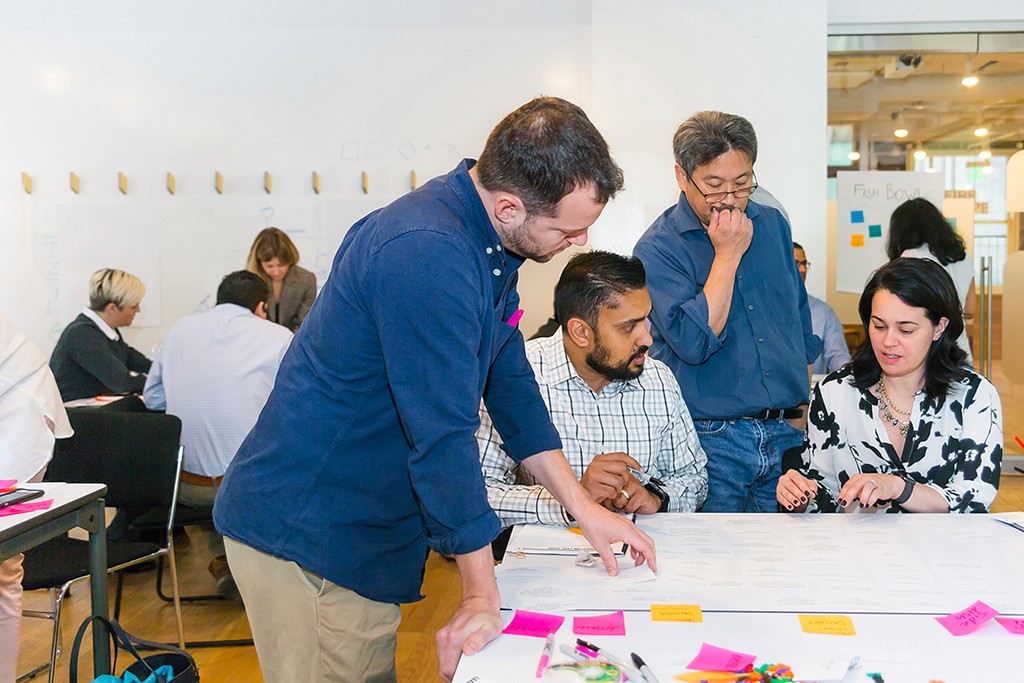
A woman and a man working side-by-side at an open workspace together.
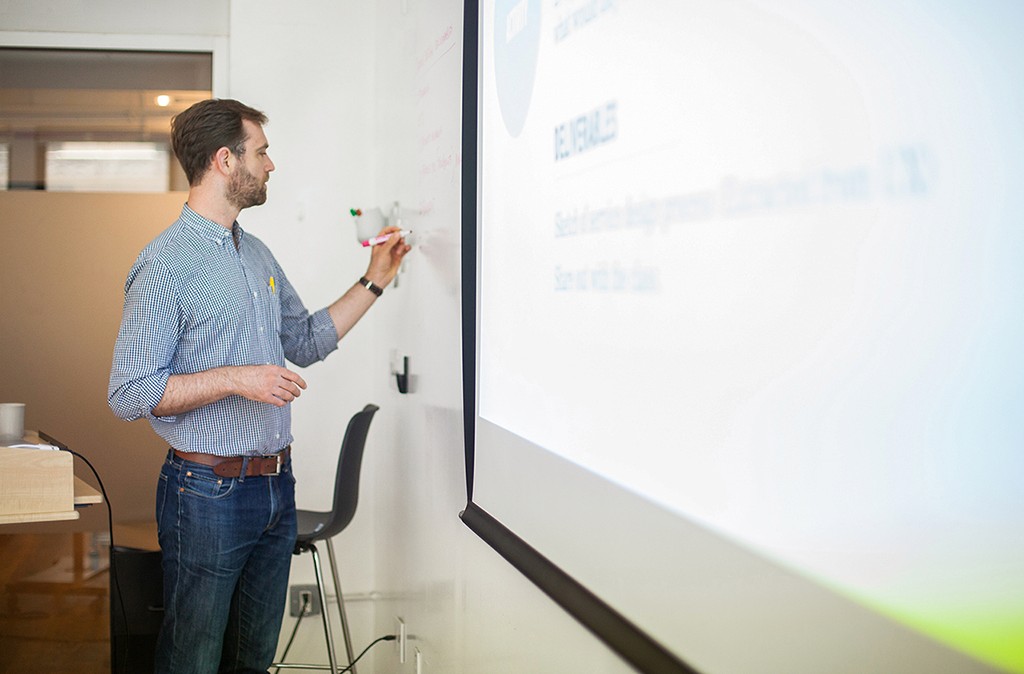
A women at a whiteboard ideating with another person from a team.
Close-up of a dark green leaf showing its textured surface and central vein against a muted background.
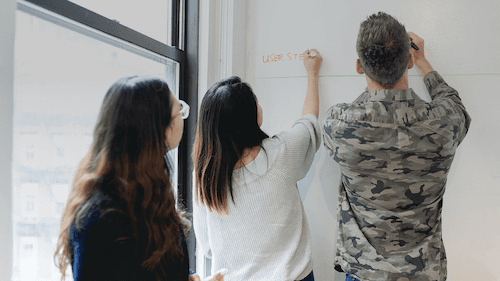
Three designers working on a whiteboard wall.
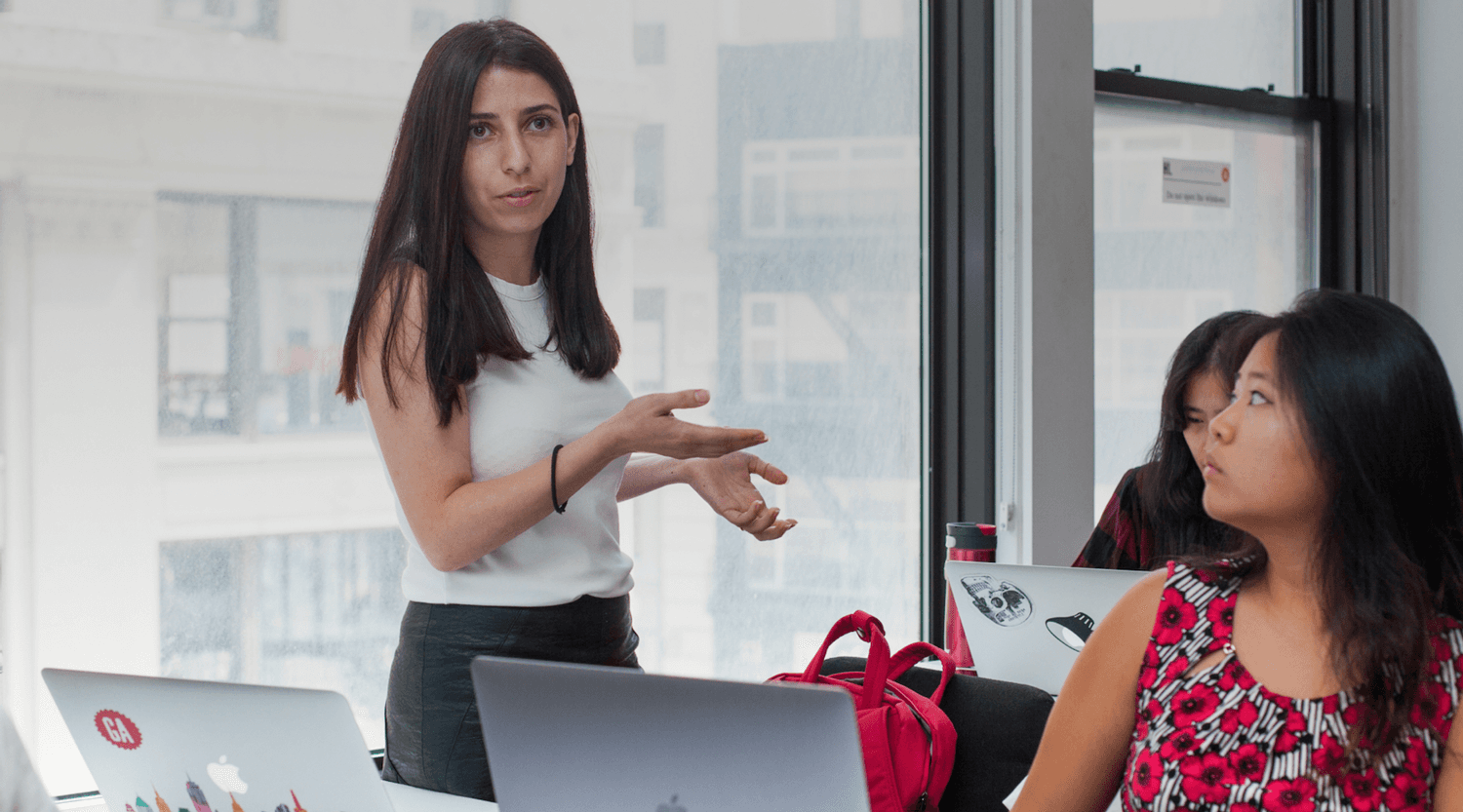
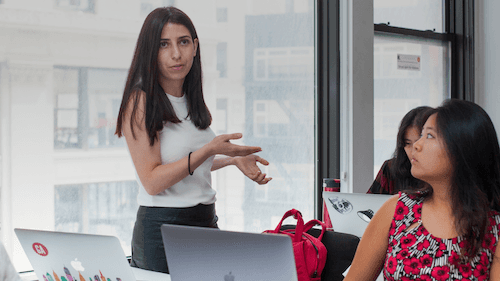
A women making a clear statement in a learning environment.
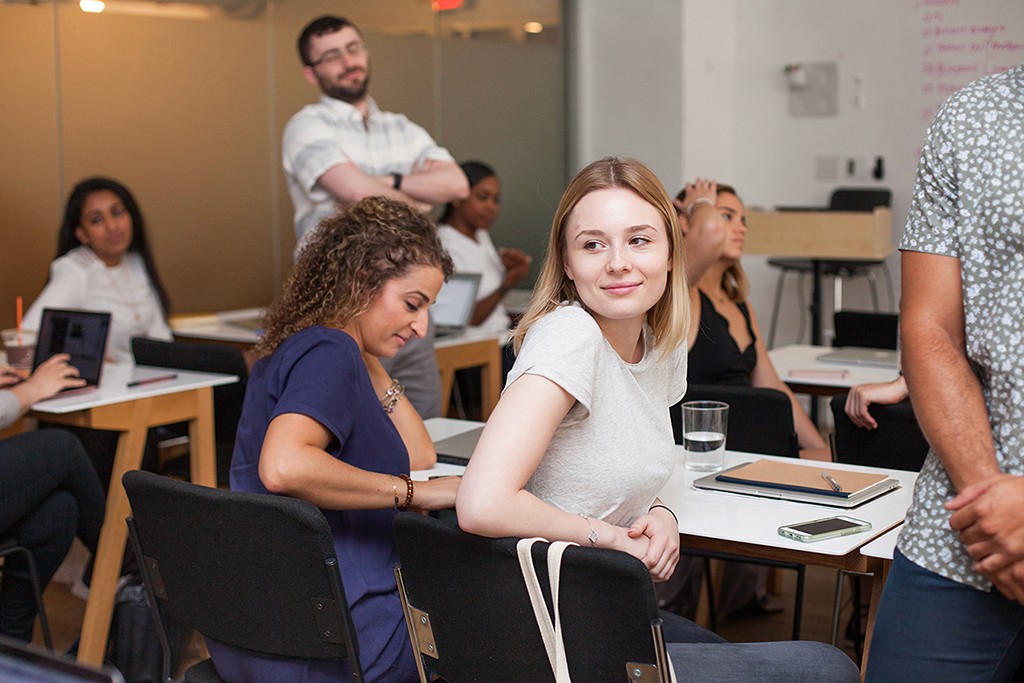
Two learners and an instructor engaging in a conversation.
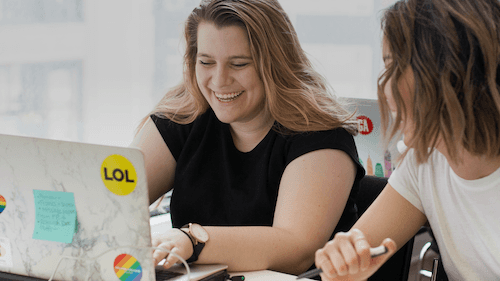
Two women smiling working side-by-side.

I'm always open to meaningful conversations

I'm here for it —whether you have a question, an idea, or just want to connect—reach out and let's build a conversation.

Smiling young women and man in a conversation.
A woman and a man working side-by-side at an open workspace together.
A women at a whiteboard ideating with another person from a team.
Close-up of a dark green leaf showing its textured surface and central vein against a muted background.
Three designers working on a whiteboard wall.
A women making a clear statement in a learning environment.
Two learners and an instructor engaging in a conversation.
Two women smiling working side-by-side.

I'm always open to meaningful conversations

I'm here for it —whether you have a question, an idea, or just want to connect—reach out and let's build a conversation.

Smiling young women and man in a conversation.
A woman and a man working side-by-side at an open workspace together.
A women at a whiteboard ideating with another person from a team.
Close-up of a dark green leaf showing its textured surface and central vein against a muted background.
Three designers working on a whiteboard wall.
A women making a clear statement in a learning environment.
Two learners and an instructor engaging in a conversation.
Two women smiling working side-by-side.